Aesthetics & Ethics
0
0
As an Amazon Associate and affiliate partner, Menrva Books earns from qualifying purchases. Learn more
Author Description
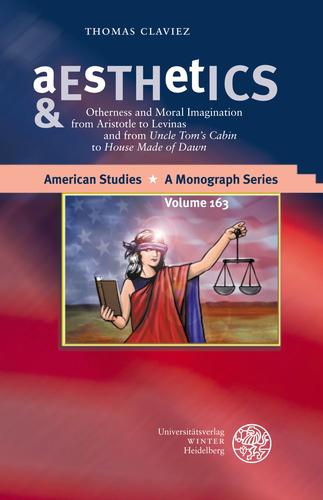
In the first part, this study analyzes what role “otherness” plays in the most influential moral-philosophical approaches to date - from Aristotle and the Neo-Aristotelians (Alasdair MacIntyre, Martha Nussbaum) via Kantianism and its deconstructors (Jean-François Lyotard, J. Hillis Miller) to the works of Paul Ricoeur and Emmanuel Levinas - and sheds light on its highly problematic status in Western notions of justice. Moreover, on the background of these analyses it examines the role that aesthetics plays not only for, but within these approaches, with a special focus on what task literature is accorded to dramatize the clash of sameness and otherness. Starting from a revised notion of the sublime, the second part “applies” the different approaches to four American novels: Harriet Beecher Stowe’s Uncle Tom’s Cabin, Herman Melville’s Billy Budd, Sailor, Richard Wright’s Native Son, and N. Scott Momaday’s House Made of Dawn, and examines how far the moral-philosophical systems carry to elucidate these texts. What becomes clear is that none of these works can be captured in their complexity by either one moral philosophy or one political agenda, in that every literary “exemplification” of such theory inevitably falls prey to the treacherous dynamics of the example - a dynamics that inhabits literature and haunts ethics, and that defies literature’s instrumentalization by either ethics or ideologies.
Menrva's Summary
THE THESIS
THE THESIS
This study investigates the complex and often problematic relationship between aesthetics and ethics, particularly concerning the concept of 'otherness' in Western moral philosophy and its manifestation in American literature.
THE SCOPE MAP
- What You Will Find:
- Analysis of influential moral-philosophical approaches (Aristotle, Kant, Ricoeur, Levinas) and their treatment of 'otherness'.
- Examination of the role of aesthetics, and specifically literature, within these moral-philosophical frameworks.
- Application of these theories to four American novels: Uncle Tom's Cabin, Billy Budd, Sailor, Native Son, and House Made of Dawn.
- Exploration of how literary exemplifications of ethical theories are complicated by the inherent dynamics of literature and ethics.
THE AUTHORITY PERSPECTIVE
The book is an academic study that applies moral philosophy to literary analysis. It examines how concepts of 'otherness' are treated in major philosophical traditions and how literature both engages with and complicates these ideas. The analysis focuses on the inherent tension between literature's capacity to illustrate ethical concepts and its resistance to being instrumentalized by philosophical or political agendas. The work suggests that literary examples inevitably fall prey to the complex dynamics that inhabit both literature and ethics.
Page Count:
466
Publication Date:
2008-01-01
ISBN-10:
3825354539
ISBN-13:
9783825354534
Non-Fiction
Philosophy
American
Literary Criticism
Ethics
Aesthetics
Community Tags
Similar Books