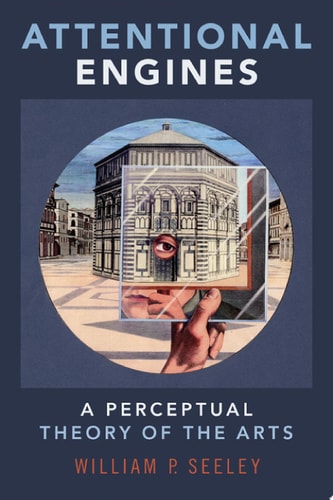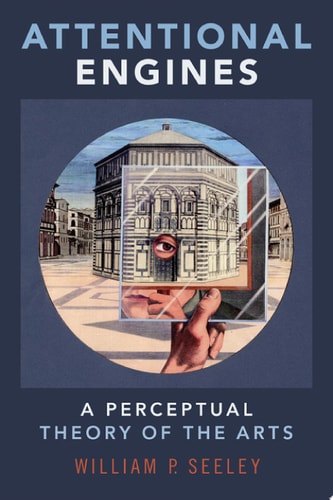
Attentional Engines: A Perceptual Theory of the Arts
0
0
As an Amazon Associate and affiliate partner, Menrva Books earns from qualifying purchases. Learn more
Author Description
What is it about art that can be so captivating? How is it that we find value in the often odd and abstract objects and events we call artworks? William P. Seeley proposes that artworks are attentional engines. They are artifacts that have been intentionally designed to direct attention to critical stylistic features that reveal their point, purpose, or meaning. In developing this view, Seeley argues that there is a lot we can learn about the value of art from interdisciplinary research focused on our perceptual engagement with artworks. Recent breakthroughs in cognitive science and behavioral science can explain how we recognize artworks and how we differentiate them from more quotidian artifacts. Seeley pushes this line of reasoning, showing how cognitive science can help reveal the way artworks function as a unique source of value. He argues that our interactions with artworks draw on a broad base of shared artistic and cultural norms constitutive of different categories of art. Cognitive systems integrate this information into our experience of art, guiding attention and shaping what we perceive. Our understanding and appreciation of artworks is therefore carried in our perceptual experience of them. Attentional Engines explores the pitfalls and potential of this interdisciplinary strategy for understanding art. It articulates a cognitivist theory of art grounded in perceptual psychology and neuroscience and demonstrates its application to a range of puzzles in the philosophy of the arts. This includes questions about the nature of depiction, the role played by metakinesis in dance appreciation, the nature of musical expression, and the power of movies. The interdisciplinary and provocative theories Seeley presents will appeal to scholars and students interested in aesthetics, philosophy of mind, philosophy of art, and cognitive science.
Menrva's Summary
THE THESIS
This book investigates the core question of how artworks function as intentional artifacts that direct human perception to reveal meaning. William P. Seeley, a scholar in the philosophy of art and cognitive science, synthesizes research from perceptual psychology and neuroscience to construct a cognitivist theory of aesthetics. He argues that our appreciation of art is not merely intellectual but is fundamentally embedded in our perceptual experience, which is guided by cultural norms and cognitive systems.
THE SCOPE MAP
What You Will Find
- A framework for understanding artworks as 'attentional engines' designed to highlight stylistic features.
- Applications of cognitive science to specific art forms including dance, music, and film.
- Analysis of the role of metakinesis and depiction in aesthetic engagement.
Scope Limits
- The text does not provide a comprehensive history of art movements or a sociological critique of the art market.
- It focuses primarily on the cognitive and perceptual mechanisms of the individual viewer rather than the broader political or economic contexts of art production.
THE AUTHORITY PERSPECTIVE
Scholars in aesthetics and philosophy of mind recognize this work as a rigorous attempt to bridge the gap between empirical cognitive science and traditional art theory. Readers frequently note the academic density of the prose, which requires a foundational understanding of both philosophical aesthetics and contemporary neuroscience to fully grasp the author's arguments.
Page Count:
288
Publication Date:
2020-01-01
Publisher:
Oxford University Press
ISBN-10:
0190662174
ISBN-13:
9780190662172
Psychology
Philosophy
Aesthetics
Art Theory
Arts
Mind & Body
Neuroscience
Community Tags
Similar Books