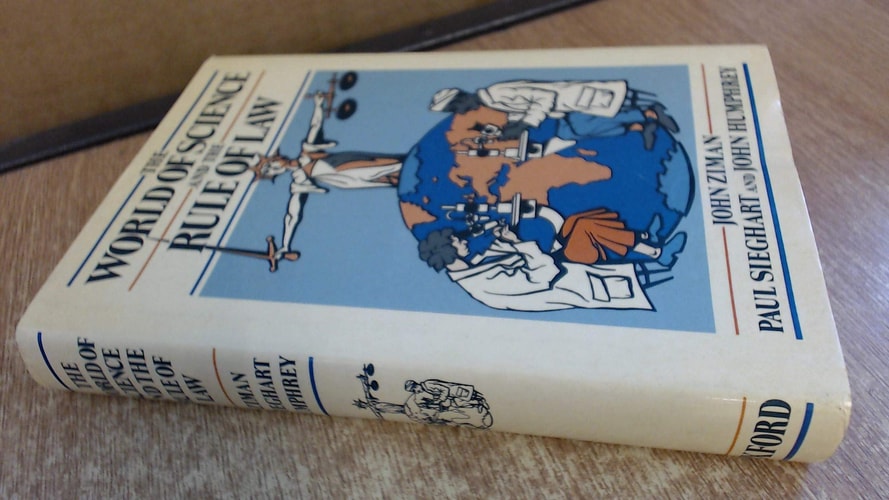
The World of Science and the Rule of Law
0
0
As an Amazon Associate and affiliate partner, Menrva Books earns from qualifying purchases. Learn more
Author Description
On August 1, 1975, thirty-five nations solemnly signed a pledge--the Helsinki Accords--to maintain one code of human rights law. This book surveys the performance of these countries in upholding the rights important to scientists--the rights to education, work, communication, expression, travel, assembly, association, reputation and intellectual achievement. It describes where and when the rights were observed or violated and what scientists could do to promote a fuller observance in the future.
Menrva's Summary
THE THESIS
This book investigates the extent to which the signatory nations of the 1975 Helsinki Accords upheld the human rights of scientists within their respective borders. The authors, including legal experts and scientific scholars, analyze the intersection of international law and academic freedom. They evaluate how political climates influenced the protection of rights such as freedom of expression, travel, and intellectual achievement. The text serves as both a historical record of compliance and a practical guide for the scientific community to advocate for their professional and personal liberties.
THE SCOPE MAP
What You Will Find
- A detailed survey of human rights performance across thirty-five signatory nations of the Helsinki Accords.
- An analysis of specific rights critical to the scientific profession, including communication, association, and reputation.
- A chronological account of instances where academic and professional rights were observed or violated.
- Strategic recommendations for scientists to promote and defend human rights within their global networks.
THE AUTHORITY PERSPECTIVE
Experts recognize this work as a significant historical document that bridges the gap between international legal frameworks and the practical realities of academic freedom. Readers frequently note the academic density of the prose, which provides a rigorous examination of the post-Helsinki political landscape.
Page Count:
320
Publication Date:
1986-04-24
Publisher:
Oxford University Press
ISBN-10:
0198255160
ISBN-13:
9780198255161
Science
History
Human rights
Law
Community Tags
Similar Books