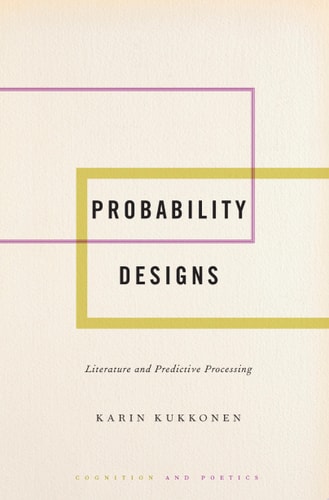
Probability Designs: Literature and Predictive Processing
0
0
As an Amazon Associate and affiliate partner, Menrva Books earns from qualifying purchases. Learn more
Author Description
In Probability Designs, Karin Kukkonen proposes a new perspective on the complex role of predictions and probabilities in the dynamics of literary narrative. Predictive processing, an emerging account of cognition in neuroscience, psychology, and philosophy, provides the theoretical backdrop for an investigation of how literary texts shape readers' expectations and experience. Through deft analysis of the literary canon in a variety of cultures and languages, she constructs a comprehensive model of probability in a novel's plots, immersive appeal, and potential for reflection. Linking predictive processing to the idea that culture and cognition always develop in tandem, Kukkonen then sketches a place for literature and literary form in this exchange - a mode of exploratory thinking that takes language and writing to the next level.Chance encounters, last-minute rescues, and coincidences launch Kukkonen's investigation of the literary manipulation of predictions. Through an enlightening blend of cognitive sciences and literary theory, Probability Designs enriches scholarly debates in literary studies and sheds light on how vital literature is for human thought.
Menrva's Summary
THE THESIS
How do literary narratives manipulate human predictive processing to shape reader expectations and cognitive engagement? Karin Kukkonen, a scholar specializing in literature and cognition, utilizes the framework of predictive processing—a theory from neuroscience and psychology—to examine how literary forms function as tools for exploratory thinking. She argues that literature is not merely a reflection of thought but an active participant in the co-evolution of culture and human cognition.
THE SCOPE MAP
What You Will Find
- A theoretical model linking predictive processing to narrative structure and plot dynamics.
- Analysis of literary devices such as coincidence, chance encounters, and suspense.
- Cross-cultural and multi-lingual literary case studies.
Scope Limits
- The text does not provide a clinical neurological study of individual readers.
- It does not offer a comprehensive history of cognitive science, focusing instead on its application to literary theory.
THE AUTHORITY PERSPECTIVE
Scholars in the field of cognitive poetics recognize this work as a significant contribution to the intersection of neuroscience and literary studies. Readers frequently note the academic density of the prose, which requires a foundational understanding of both literary theory and cognitive science concepts.
Page Count:
240
Publication Date:
2020-01-16
Publisher:
Oxford University Press
ISBN-10:
0190050950
ISBN-13:
9780190050955
Philosophy
Words Language & Grammar
Literary theory
Literary Criticism
English & College Success
New Used & Rental Textbooks
Neuroscience
Cognition and Poetics
Reference
Criticism history
Community Tags
Other Editions(2)
Similar Books