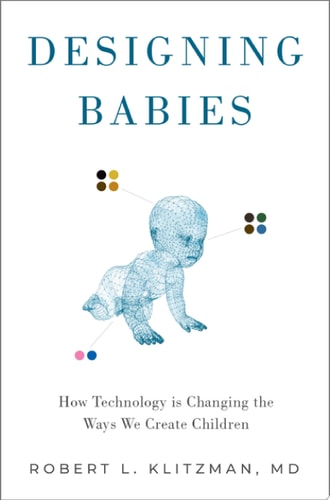
Designing Babies: How Technology is Changing the Ways We Create Children
0
0
As an Amazon Associate and affiliate partner, Menrva Books earns from qualifying purchases. Learn more
Author Description
Since the first "test tube baby" was born over 40 years ago, In Vitro Fertilization and other Assisted Reproductive Technologies (ARTs) have advanced in extraordinary ways, producing millions of babies. An estimated 20% of American couples use infertility services to help them conceive, and that number is growing. Such technologies permit thousands of people, including gay and lesbian couples and single parents, to have offspring. Couples can now transmit or avoid passing on certain genes to their children, including those for chronic disease and, probably sometime soon, height and eye color as well. Prospective parents routinely choose even the sex of their future child and whether or not to have twins. The possibilities of this rapidly developing technology are astounding-especially in the United States, where the procedures are practically unregulated and a large commercial market for buying and selling human eggs is swiftly growing. New gene-editing technology, known as CRISPR, allows for even more direct manipulation of embryos' genes. As these possibilities are increasingly realized, potential parents, doctors, and policy-makers face complex and critical questions about the use-or possible misuse-of ARTs. Designing Babies confronts these questions, examining the ethical, social, and policy concerns surrounding reproductive technology. Based on in-depth interviews with providers and patients, Robert Klitzman explores how individuals and couples are facing quandaries of whether, when, and how to use ARTs. He articulates the full range of these crucial issues, from the economic pressures patients face to the moral and social challenges they encounter as they make decisions which will profoundly shape the life of their offspring. In doing so, he reveals the broader social and biological implications of controlling genetics, ultimately arguing for closer regulation of procedures which affect the lives of generations to come and the future of our species as a whole.
Menrva's Summary
THE THESIS
How do rapidly advancing reproductive technologies and the lack of regulatory oversight challenge our current ethical, social, and biological frameworks for human reproduction? Robert L. Klitzman, a professor of psychiatry and director of the Masters of Bioethics program at Columbia University, utilizes his medical expertise to investigate the implications of Assisted Reproductive Technologies (ARTs). By synthesizing in-depth interviews with patients and providers, he examines the moral quandaries inherent in gene editing and commercialized fertility services. The book argues that the current unregulated landscape in the United States necessitates a more robust policy framework to address the long-term consequences for future generations.
THE SCOPE MAP
What You Will Find
- Analysis of the commercial market for human eggs and fertility services
- Examination of CRISPR and other gene-editing technologies in embryos
- Ethical dilemmas regarding sex selection and genetic trait modification
- Qualitative data derived from interviews with patients and medical practitioners
Scope Limits
- Does not provide a technical manual for performing ART procedures
- Does not focus on the biological mechanics of infertility treatments
THE AUTHORITY PERSPECTIVE
Experts and readers frequently note the accessibility of the prose despite the complex ethical subject matter. The text is widely recognized as a comprehensive resource for understanding the intersection of reproductive medicine and public policy.
Page Count:
355
Publication Date:
2019-01-01
Publisher:
Oxford University Press
ISBN-10:
0190054492
ISBN-13:
9780190054496
Science
New Used & Rental Textbooks
Medicine
Bioethics
Allied Health
Sociology
Reproductive Technology
Technology
General
Genetics
Medical Ethics
Reproductive health
Community Tags
Similar Books