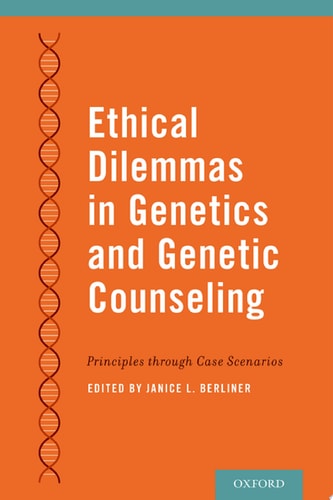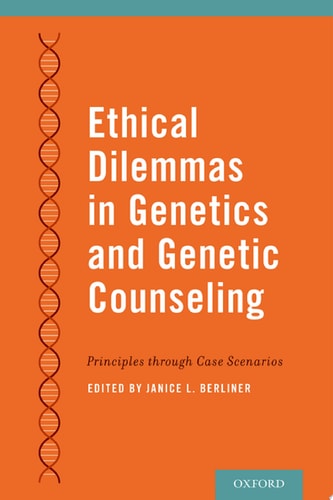
Ethical Dilemmas in Genetics and Genetic Counseling: Principles through Case Scenarios
0
0
As an Amazon Associate and affiliate partner, Menrva Books earns from qualifying purchases. Learn more
Author Description
Knowledge of the genetic basis of human diseases is growing rapidly, with important implications for pre-conceptional, prenatal, and predictive testing. While new genetic testing offers better insight into the causes of and susceptibility for heritable diseases, not all inherited diseases that can be predicted on the basis of genetic information can be treated or cured. Should we test everyone who wants to know his or her genetic status, even when there are no possibilities for treatment? What is the role of the "right-not-to-know?" Do we test children for adult onset disorders because the parents just "have to know" or do we respect the children's right to choose when they are older? Do we allow commercial companies to offer genetic tests directly to consumers without the proper oversight regarding what the test results will mean?By using a creative approach that focuses on a single extended family as a case example to illustrate each chapter's key point, the authors elucidate ethical issues arising in the genetics clinic and laboratory surrounding many timely issues, including:· prenatal and pre-implantation genetic diagnosis· assisted reproductive technologies· incidental findings in genetic testing· gene patenting· testing children for adult onset disorders· direct to consumer testingEthical Dilemmas in Genetic Counseling: Principles through Case Scenarios is essential reading for anyone interested in the ethical issues surfacing in common genetics practice. Written exclusively by genetic counselors, it makes a significant contribution to the field of ethics in genetics and thus will appeal not only to genetic counselors but to physicians, nurses, and all those concerned with bioethics and social science.
Menrva's Summary
THE THESIS
This book investigates the complex ethical framework surrounding modern genetic testing and the professional responsibilities of genetic counselors. Janice Berliner, a seasoned genetic counselor, utilizes her clinical expertise to examine the intersection of rapid technological advancement and patient autonomy. The text argues that as genetic data becomes more accessible, practitioners must balance the potential for medical insight against the risks of psychological harm, privacy loss, and the limitations of current therapeutic interventions.
THE SCOPE MAP
What You Will Find
- Ethical analysis of prenatal and pre-implantation genetic diagnosis
- Frameworks for managing incidental findings in genomic sequencing
- Discussion on the implications of direct-to-consumer genetic testing
- Case-based methodology centered on a single extended family
- Guidelines for navigating gene patenting and assisted reproductive technologies
Scope Limits
- Does not provide exhaustive legal advice for specific jurisdictions
- Does not cover the technical laboratory procedures for genetic sequencing
THE AUTHORITY PERSPECTIVE
Experts in the field of bioethics and clinical genetics recognize this work as a practical resource for practitioners navigating the complexities of patient care. Readers frequently note that the case-based approach provides a clear, accessible entry point into dense ethical dilemmas for both students and experienced clinicians.
Page Count:
240
Publication Date:
2014-01-01
Publisher:
Oxford University Press
ISBN-10:
0190206640
ISBN-13:
9780190206642
Science
Genetic Counseling
Medicine
Bioethics
Genetics
Allied Health
Medical
Medical Ethics
Community Tags
Similar Books