Traditional Japanese Design
0
0
As an Amazon Associate and affiliate partner, Menrva Books earns from qualifying purchases. Learn more
Author Description
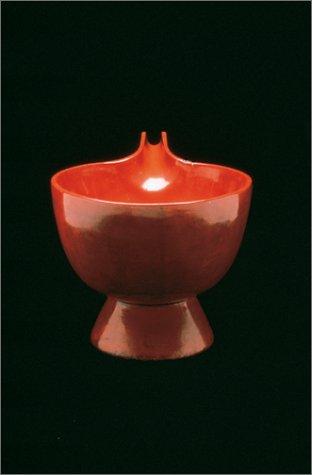
This illustrated book explores an aesthetic and cultural approach to the appreciation of traditional Japanese design. A superb selection of utilitarian objects, including basketry, ceramics, lacquer, metalwork, and textiles, are presented in five areas of aesthetic taste that describe the essence of Japanese design: Artless Simplicity (Soboku); Zen Austerity (Wabi); Gorgeous Splendor (Karei); and Edo Chic (Iki). An introductory section, Ancient Times (Kodai no bi), presents fantastic archaeological objects that inspired later design. Celebrating the forms, textures, and graphic imagery that have defined traditional Japanese design, this book should have wide appeal. The Five Tastes explored here evolved from the daily life and culture of Japan's dominant social classes of the fifteenth through nineteenth century: the rural farmers, the ruling military elite, and the city merchants. Codified by influential Japanese cultural critics in the twentieth century, these five Tastes offer a fresh approach to and appreciation of Japan's unique design culture. Traditional Japanese Design: Five Tastes accompanies an exhibition presented at Japan Society Gallery, New York in the fall of 2001.
Menrva's Summary
THE THESIS
This book investigates the fundamental aesthetic principles that define traditional Japanese design, exploring how five distinct tastes—Artless Simplicity (Soboku), Zen Austerity (Wabi), Gorgeous Splendor (Karei), Edo Chic (Iki), and Ancient Times (Kodai no bi)—have shaped the appreciation of utilitarian objects. The author, Michael Dunn, presents a curated selection of basketry, ceramics, lacquerware, metalwork, and textiles, drawing connections between these forms and the daily life and cultural evolution of Japan's dominant social classes from the 15th to 19th centuries. These five tastes, codified by 20th-century critics, offer a unique framework for understanding Japan's distinctive design heritage. The book accompanies an exhibition held at Japan Society Gallery in 2001, highlighting the enduring appeal of these forms, textures, and graphic imagery.
THE SCOPE MAP
- Exploration of five key aesthetic tastes in Japanese design: Soboku, Wabi, Karei, Iki, and Kodai no bi.
- Presentation of utilitarian objects including basketry, ceramics, lacquerware, metalwork, and textiles.
- Analysis of the cultural and historical context of these designs, spanning the 15th to 19th centuries.
- Discussion of the influence of dominant social classes (farmers, military elite, merchants) on design.
- Examination of how influential 20th-century critics codified these aesthetic principles.
- Introduction to archaeological objects from ancient times that inspired later design.
- Focus on the forms, textures, and graphic imagery characteristic of traditional Japanese design.
THE AUTHORITY PERSPECTIVE
The book is presented as having wide appeal, particularly for those interested in Japanese design and culture. Its approach, focusing on five codified aesthetic tastes, offers a fresh perspective on the appreciation of Japan's unique design heritage. The accompanying exhibition at Japan Society Gallery in 2001 suggests a curated and scholarly presentation of the material. The description emphasizes the book's ability to celebrate the enduring forms and textures that define traditional Japanese aesthetics.
Page Count:
179
Publication Date:
2001-01-01
ISBN-10:
0810967421
ISBN-13:
9780810967427
Non-Fiction
Art
History
Aesthetics
Art History
Design
Community Tags
Similar Books