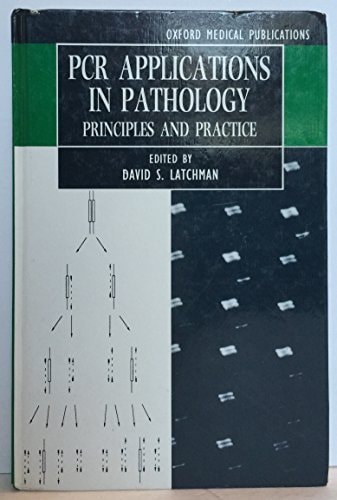
PCR Applications in Pathology: Principles and Practice
0
0
As an Amazon Associate and affiliate partner, Menrva Books earns from qualifying purchases. Learn more
Author Description
The polymerase chain reaction has revolutionized molecular biology by allowing the amplification and characterization of minute amounts of nucleic acids. As well as being of use to basic scientists, this technique is of immense importance to pathologists who routinely need to detect and characterize small amounts of infectious micro-organisms, or to identify mutations within small amounts of human DNA. This essential handbook outlines clearly and concisely the applications of PCR in the area of infectious and inherited diseases so that methods can be readily used by non-molecular biologists who need them.
Menrva's Summary
THE THESIS
This text investigates the practical implementation of polymerase chain reaction (PCR) technology as a diagnostic and analytical tool within the field of clinical pathology. David S. Latchman provides a technical framework designed to bridge the gap between molecular biology research and routine laboratory practice. The book argues that PCR is a critical asset for pathologists, offering a methodology for the detection of infectious agents and the identification of genetic mutations in clinical samples.
THE SCOPE MAP
What You Will Find
- Principles of nucleic acid amplification and characterization
- Methodologies for detecting infectious micro-organisms in clinical specimens
- Protocols for identifying mutations within human DNA samples
- Practical guidance for non-molecular biologists working in clinical settings
THE AUTHORITY PERSPECTIVE
Experts recognize this work as a foundational handbook for clinical professionals seeking to integrate molecular techniques into their diagnostic workflows. Readers frequently note the clarity of the instructions, which makes complex molecular procedures accessible to those without a specialized background in the field.
Page Count:
269
Publication Date:
1995-01-15
Publisher:
Oxford University Press
ISBN-10:
0198548354
ISBN-13:
9780198548355
Science
Pathology Molecular
Medicine
Cytodiagnosis
Genetics
Pathology
Community Tags
Similar Books