The Road to Stockholm: Nobel Prizes, Science and Scientists
0
0
As an Amazon Associate and affiliate partner, Menrva Books earns from qualifying purchases. Learn more
Author Description
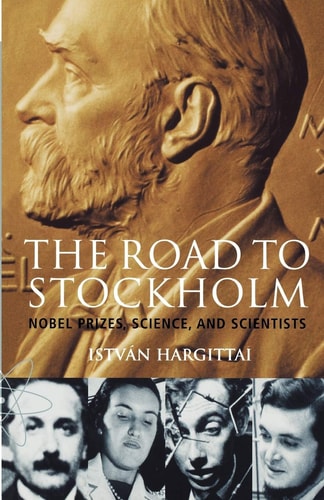
The Nobel Prize is by far the highest recognition a scientist may receive and the only one with which the general public is familiar. Its prestige has reached improbable heights. At the same time, a lot of myth surrounds the Nobel Prize, and this is compounded by the fact that people tend to view scientists with some bewilderment. This book introduces the process of selection of the laureates, discusses the ingredients for scientific discovery and for getting recognition. It reviews the decisive moments of scientific careers en route to the Nobel Prize, points to characteristic features of the laureates, the importance of mentors and venues in scientific careers and other components of success. It also covers some discoverers and discoveries for whom and for which the Nobel Prize never materialized.
Menrva's Summary
THE THESIS
This book investigates the complex intersection of scientific achievement, institutional recognition, and the cultural mythology surrounding the Nobel Prize. István Hargittai, a distinguished chemist and historian of science, utilizes his extensive background to analyze the selection processes and career trajectories of Nobel laureates. By examining the roles of mentorship, institutional environments, and the nature of discovery, the author provides a framework for understanding why certain scientists attain the highest honors while others, despite significant contributions, remain unrecognized.
THE SCOPE MAP
What You Will Find
- Analysis of the Nobel Prize selection process and institutional criteria.
- Examination of the role of mentors and research environments in scientific success.
- Case studies of both Nobel laureates and significant scientists who were overlooked by the committee.
- Discussion of the sociological factors that influence scientific recognition and public perception.
THE AUTHORITY PERSPECTIVE
Experts and readers frequently highlight this work as a comprehensive, accessible examination of the scientific community's most prestigious award. The text is noted for its balanced approach, blending biographical detail with a critical look at the systemic nature of scientific achievement.
Page Count:
396
Publication Date:
2003-08-28
Publisher:
Oxford University Press
ISBN-10:
0198607857
ISBN-13:
9780198607854
Science
Biography
Non-Fiction
Science for Kids
Philosophy history
Community Tags
Similar Books