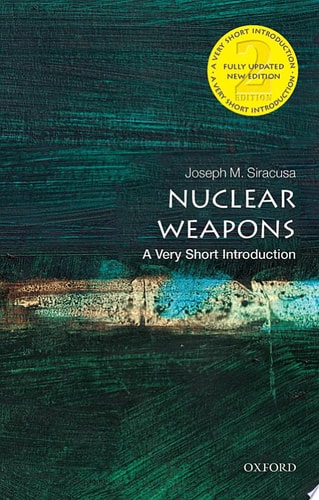
Nuclear Weapons: A Very Short Introduction
0
0
As an Amazon Associate and affiliate partner, Menrva Books earns from qualifying purchases. Learn more
Author Description
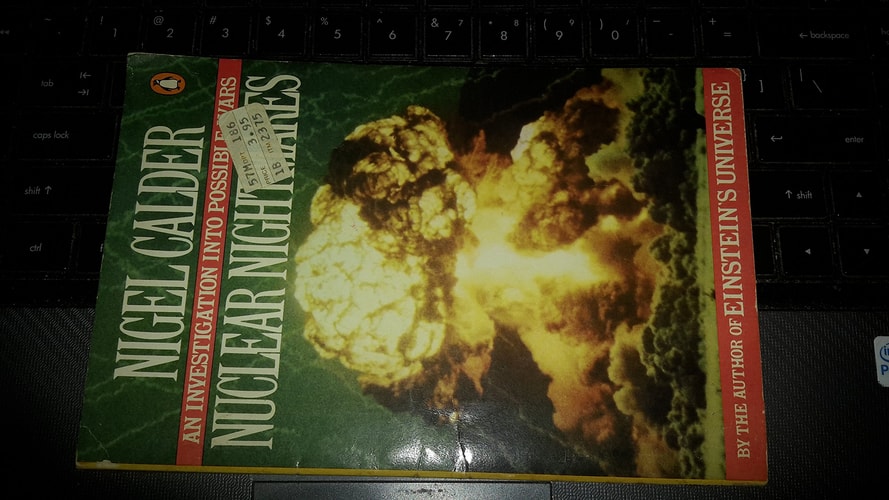
Despite not having been used in anger since Hiroshima and Nagasaki, the atomic bomb is still the biggest threat that faces us in the 21st century. As Bill Clinton's first secretary of defense, Les Aspin, aptly put it, "The Cold War is over, the Soviet Union is no more. But the post-Cold War world is decidedly not post-nuclear." For all the effort to reduce nuclear stockpiles to zero, it seems that the bomb is here to stay. This Very Short Introduction reveals why.The history and politics of the bomb are explained: from the technology of nuclear weapons, to the revolutionary implications of the H-bomb, and the politics of nuclear deterrence. The issues are set against a backdrop of the changing international landscape, from the early days of development through the Cold War.In this new edition, Joseph M. Siracusa includes a new concluding chapter, moving away from the emphasis of nuclear weapons in the "age of terrorism", to the significant lessons to be learnt from the history of the nuclear weapons era. Siracusa shows that because 21st century nuclear proliferation has deep roots in the past, an understanding of the lessons of this nuclear history is paramount for future global policies to be successful.ABOUT THE SERIES:The Very Short Introductions series from Oxford University Press contains hundreds of titles in almost every subject area. These pocket-sized books are the perfect way to get ahead in a new subject quickly. Our expert authors combine facts, analysis, perspective, new ideas, and enthusiasm to make interesting and challenging topics highly readable.
Menrva's Summary
THE THESIS
This book investigates the enduring role of nuclear weapons in global security and the historical context that necessitates their continued relevance in the 21st century. Joseph M. Siracusa, a scholar of international security and diplomacy, utilizes historical analysis and political theory to examine the evolution of nuclear policy. He argues that the post-Cold War era remains fundamentally shaped by nuclear proliferation, requiring a deep understanding of past developments to inform future global policy.
THE SCOPE MAP
What You Will Find
- Historical development of nuclear technology from the Manhattan Project to the present.
- Analysis of nuclear deterrence theory and its application during and after the Cold War.
- Examination of the geopolitical implications of nuclear proliferation in the 21st century.
- Lessons learned from the history of the nuclear era applied to contemporary international relations.
THE AUTHORITY PERSPECTIVE
Experts recognize this text as a concise and accessible primer for students and general readers interested in international security. The prose is noted for its clarity and ability to distill complex geopolitical history into a manageable format.
Page Count:
152
Publication Date:
2015-01-01
Publisher:
Oxford Univ Pr
ISBN-10:
0198727232
ISBN-13:
9780198727231
History
International relations
Nuclear weapons
Military History
Community Tags
Other Editions(3)

Similar Books