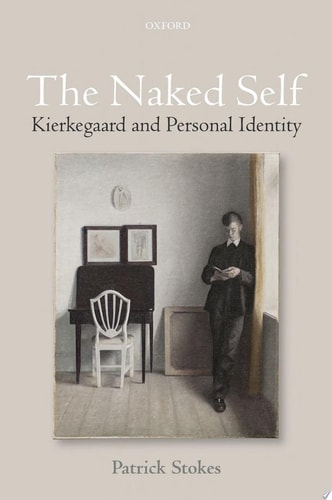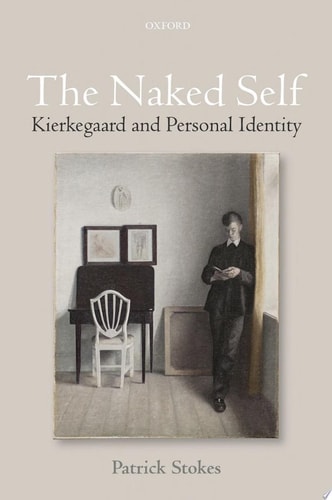
The Naked Self: Kierkegaard and Personal Identity
0
0
As an Amazon Associate and affiliate partner, Menrva Books earns from qualifying purchases. Learn more
Author Description
Across his relatively short and eccentric authorial career, Soren Kierkegaard develops a unique, and provocative, account of what it is to become, to be, and to lose a self, backed up by a rich phenomenology of self-experience. Yet Kierkegaard has been almost totally absent from the burgeoning analytic philosophical literature on self-constitution and personal identity. How, then, does Kierkegaard's work appear when viewed in light of current debates about self and identity--and what does Kierkegaard have to teach philosophers grappling with these problems today?The Naked Self explores Kierkegaard's understanding of selfhood by situating his work in relation to central problems in contemporary philosophy of personal identity: the role of memory in selfhood, the relationship between the notional and actual subjects of memory and anticipation, the phenomenology of diachronic self-experience, affective alienation from our past and future, psychological continuity, practical and narrative approaches to identity, and the intelligibility of posthumous survival. By bringing his thought into dialogue with major living and recent philosophers of identity (such as Derek Parfit, Galen Strawson, Bernard Williams, J. David Velleman, Marya Schechtman, Mark Johnston, and others), Stokes reveals Kierkegaard as a philosopher with a significant--if challenging--contribution to make to philosophy of self and identity.
Menrva's Summary
THE THESIS
This book investigates how Soren Kierkegaard’s existential account of the self can address and inform contemporary analytic debates regarding personal identity. Patrick Stokes, a scholar of Kierkegaardian philosophy, bridges the gap between 19th-century existential phenomenology and modern analytic philosophy. By examining Kierkegaard’s writings through the lens of current discourse on self-constitution, Stokes argues that Kierkegaard offers a rigorous and necessary framework for understanding the complexities of human subjectivity and diachronic identity.
THE SCOPE MAP
What You Will Find
- An analysis of Kierkegaardian concepts such as memory, anticipation, and affective alienation.
- A comparative study between Kierkegaard and contemporary philosophers like Derek Parfit, Bernard Williams, and Marya Schechtman.
- An examination of the role of psychological continuity and narrative identity in the formation of the self.
- A discussion on the philosophical intelligibility of posthumous survival and the nature of the actual subject.
THE AUTHORITY PERSPECTIVE
Experts recognize this work as a significant contribution to the field of Kierkegaard studies, specifically for its successful integration of existential thought into analytic philosophical frameworks. Readers frequently note the academic density of the prose, which serves as a foundational text for those interested in the intersection of historical philosophy and modern identity theory.
Page Count:
304
Publication Date:
2015-11-17
Publisher:
Oxford University Press
ISBN-10:
0198732732
ISBN-13:
9780198732730
Philosophy
Non-Fiction
Self Philosophy
Existentialism
Personal Identity
Phenomenology
Community Tags
Similar Books