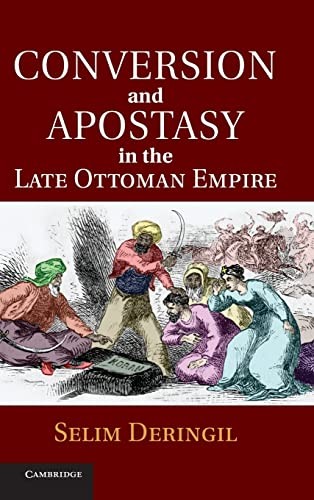
Conversion and Apostasy in the Late Ottoman Empire
0
0
As an Amazon Associate and affiliate partner, Menrva Books earns from qualifying purchases. Learn more
Author Description
In the nineteenth-century Ottoman Empire traditional religious structures crumbled as the empire itself began to fall apart. The state's answer to schism was regulation and control, administered in the form of a number of edicts in the early part of the century. It is against this background that different religious communities and individuals negotiated survival by converting to Islam when their political interests or their lives were at stake. As the century progressed, however, conversion was no longer sufficient to guarantee citizenship and property rights as the state became increasingly paranoid about its apostates and what it perceived as their 'denationalization'. The book tells the story of the struggle between the Ottoman State, the Great Powers and a multitude of evangelical organizations, shedding light on current flash-points in the Arab world and the Balkans, offering alternative perspectives on national and religious identity and the interconnection between the two
Menrva's Summary
THE THESIS
This book investigates the complex interplay between religious conversion, apostasy, and state control in the late Ottoman Empire during the 19th century.
Selim Deringil, drawing on his expertise in Ottoman history, examines how religious communities and individuals navigated a period of immense political and social upheaval. The Ottoman state, facing internal schism and external pressures, responded with increasing regulation and paranoia, particularly concerning apostates. The book analyzes the dynamic between the Ottoman State, major world powers, and various evangelical organizations, exploring how these forces shaped notions of national and religious identity.
THE SCOPE MAP
- An analysis of the Ottoman state's response to religious change through edicts and control mechanisms.
- Case studies of individuals and communities converting to Islam for political or personal safety.
- An examination of the evolving state perception of apostasy and its implications for citizenship and property rights.
- The influence of Great Powers and evangelical organizations on religious and national identity formation.
- Historical context for contemporary issues in the Arab world and the Balkans related to identity.
THE AUTHORITY PERSPECTIVE
The book is recognized for its detailed examination of religious and political dynamics within the late Ottoman Empire. Scholars likely appreciate its nuanced approach to the complexities of conversion and apostasy, and its exploration of how identity was negotiated under state pressure. The work is noted for connecting historical events to contemporary issues in the Middle East and Balkans, offering valuable insights into the roots of current conflicts and identity politics. Its analysis of the state's evolving stance on religious minorities and apostates provides a critical perspective on national belonging.
Page Count:
302
Publication Date:
2012-01-01
ISBN-10:
1107004551
ISBN-13:
9781107004559
History
Non-Fiction
Religion
National Identity
Apostasy
Ottoman Empire
Community Tags
Other Editions(3)


Similar Books