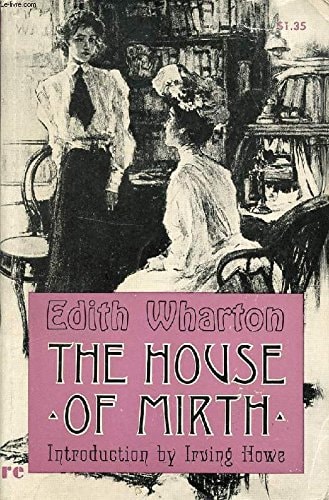
The House of Mirth
0
0
As an Amazon Associate and affiliate partner, Menrva Books earns from qualifying purchases. Learn more
Author Description
First published in 1905, The House of Mirth shocked the New York society it so deftly chronicles, portraying the moral, social and economic restraints on a woman who dared to claim the privileges of marriage without assuming the responsibilities.Lily Bart, beautiful, witty and sophisticated, is accepted by 'old money' and courted by the growing tribe of nouveaux riches. But as she nears thirty, her foothold becomes precarious; a poor girl with expensive tastes, she needs a husband to preserve her social standing, and to maintain her in the luxury she has come to expect. Whilst many have sought her, something - fastidiousness or integrity- prevents her from making a 'suitable' match.
Menrva's Summary
THE PULSE
Lily Bart struggles to maintain her precarious social standing in the rigid, unforgiving hierarchy of early 20th-century New York society. As a woman of beauty and expensive tastes but limited financial means, Lily must secure a wealthy marriage to preserve her lifestyle. She faces constant pressure from the elite circles of 'old money' and the rising 'nouveaux riches,' while her own internal conflict between personal integrity and social necessity creates a series of disastrous missteps. The narrative, presented in a third-person limited perspective, tracks her gradual descent as she navigates the logical constraints of a world that demands conformity and punishes vulnerability.
INSIDE THE PAGES
- Detailed examination of the Gilded Age social hierarchy
- Use of irony to critique the moral hypocrisy of the wealthy
- Focus on the economic vulnerability of women in the early 1900s
- Exploration of the conflict between individual desire and societal expectation
- Precise, elegant prose style characteristic of the period
- Symbolism centered on luxury, gambling, and social reputation
- Character-driven plot focusing on psychological development
- Tragic trajectory illustrating the consequences of social exclusion
THE COLLECTIVE ECHO
Discussion often centers on the meticulous way the author dissects the social machinery of New York high society. Readers frequently highlight the protagonist's complex motivations, noting that her inability to conform is both her greatest strength and her ultimate undoing. Critics often praise the atmospheric tension created by the constant threat of social ruin and the suffocating nature of the characters' environment. Many readers find the pacing deliberate, allowing for a deep exploration of the protagonist's internal state as she faces the consequences of her choices. The work remains a significant point of reference for those interested in the intersection of class, gender, and economic survival in historical literature.
Page Count:
324
Publication Date:
1962-01-01
Publisher:
Holt, Rinehart and Winston
ISBN-10:
0030110459
ISBN-13:
9780030110450
Tragedy
United States
Realism
Classics
classic
Historical
Social Satire
Community Tags
Other Editions(60)
Creative Media Partners, LLC
2022
Default edition
Independently Published
2021

Independently Published
2021

Independently Published
2020

Independently Published
2020
Independently Published
2020
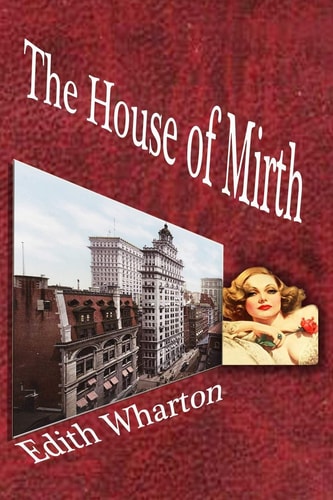
Amazon Digital Services LLC - KDP Print US
2020
Independently Published
2020

Independently Published
2019

CreateSpace Independent Publishing Platform
2018

CreateSpace Independent Publishing Platform
2018
CreateSpace Independent Publishing Platform
2018
CreateSpace Independent Publishing Platform
2018
CreateSpace Independent Publishing Platform
2018
CreateSpace Independent Publishing Platform
2018

CreateSpace Independent Publishing Platform
2017

CreateSpace Independent Publishing Platform
2017

CreateSpace Independent Publishing Platform
2017

CreateSpace Independent Publishing Platform
2017
CreateSpace Independent Publishing Platform
2017
CreateSpace Independent Publishing Platform
2017

CreateSpace Independent Publishing Platform
2016
CreateSpace Independent Publishing Platform
2016

CreateSpace Independent Publishing Platform
2016

CreateSpace Independent Publishing Platform
2016

CreateSpace Independent Publishing Platform
2015
First Avenue Editions ™
2015

HarperCollins Publishers Limited
2015

Lerner Publishing Group
2015

CreateSpace Independent Publishing Platform
2014

Classic Books
2013

CreateSpace Independent Publishing Platform
2012
Empire Books
2012

CreateSpace Independent Publishing Platform
2009
Oxford University Press
2009
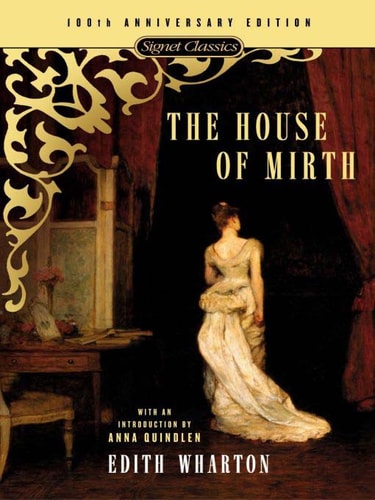
Penguin USA, Inc.
2009
![Edition published by [Library of America]](https://covers.openlibrary.org/b/id/9218951-L.jpg)
[Library of America]
2009
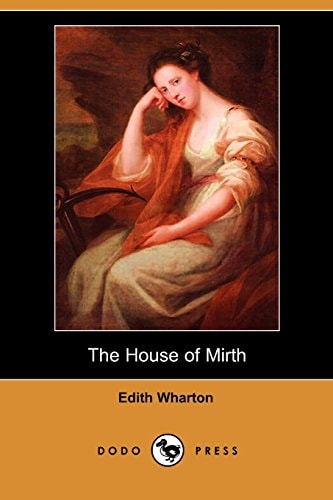
Dodo Press
2007

ICON Classics
2005
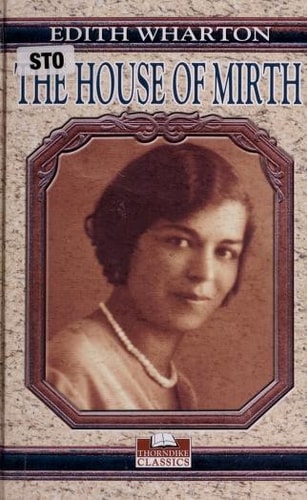
Thorndike Press
2005
Barnes & Noble
2003

Pearson Education, Limited
2003

Classic Books
2001
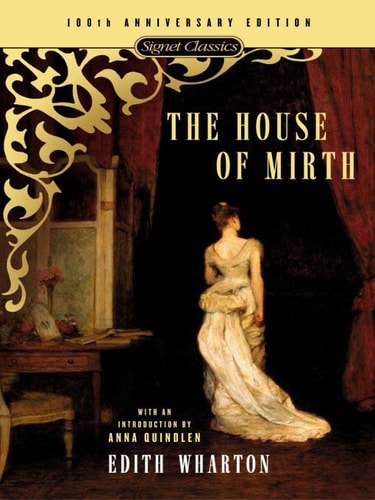
Signet Classic
2000

W. W. Norton, Incorporated
1999

W. W. Norton, Incorporated
1999
North Books
1998

Classic Books
1998
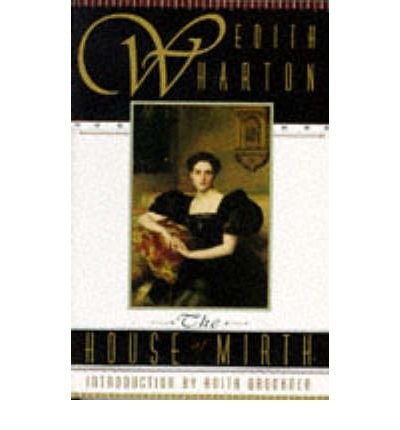
St. Martin's Press
1995

Signet
1995
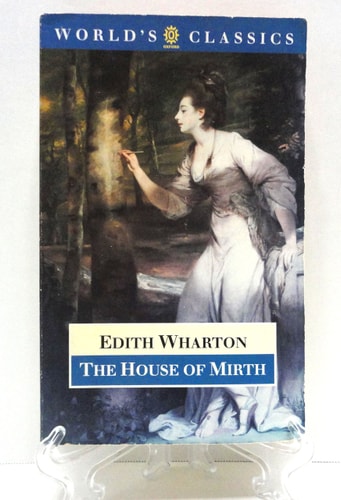
Oxford University Press
1994

Oxford University Press
1994

Bedford/St. Martin's
1993
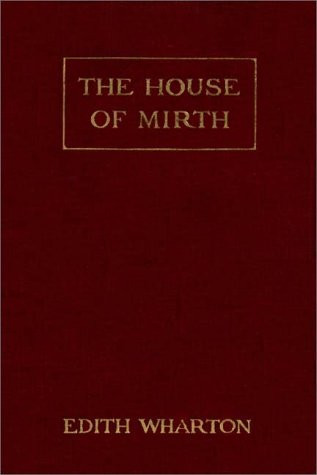
Books on Tape, Inc.
1985

Tandem Library
1984
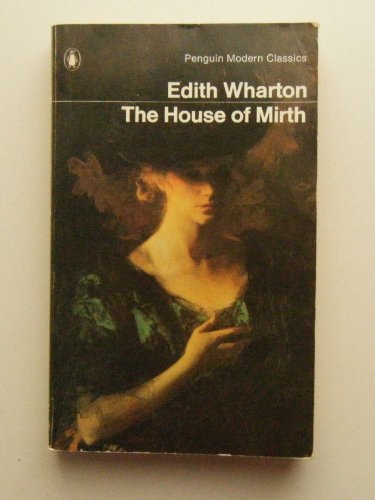
PENGUIN
1979
Holt, Rinehart and Winston
1962

Huge Print Press
1905

Huge Print Press
1900

Project Gutenberg
1900
Similar Books






Reader Comments
Share Your Thoughts
No comments yet. Be the first to share your thoughts!