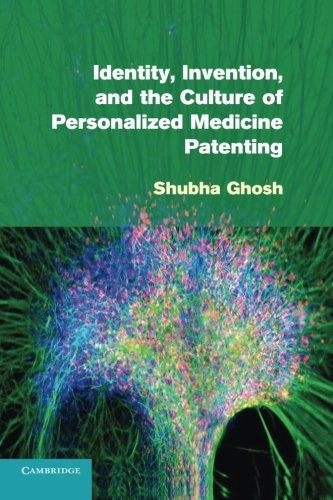
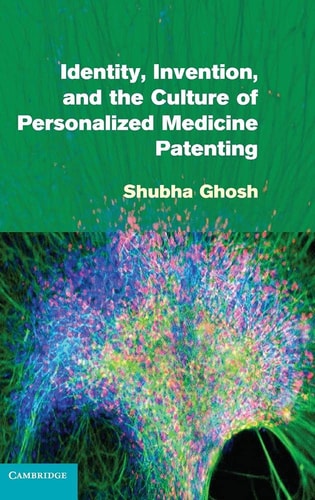
Identity, Invention, and the Culture of Personalized Medicine Patenting
0
0
As an Amazon Associate and affiliate partner, Menrva Books earns from qualifying purchases. Learn more
Author Description
What are the normative implications of patenting in the area of personalized medicine? As patents on genes and medical diagnoses have increased over the past decade, this question lies at the intersection of intellectual property theory, identity politics, biomedical ethics and constitutional law. These patents are part of the personalized medicine industry, which develops medical treatments tailored to individuals based on race and other characteristics. This book provides an overview of developments in personalized medicine patenting and suggests policies to best regulate such patents
Menrva's Summary
THE THESIS
This book investigates the ethical and legal implications of patenting personalized medicine, particularly concerning individual identity and access to care. Shubha Ghosh, a law professor, examines the rise of patents on genes and medical diagnoses within the burgeoning personalized medicine industry. The book analyzes how these patents, which tailor treatments based on characteristics like race, intersect with intellectual property theory, identity politics, biomedical ethics, and constitutional law. It aims to provide a comprehensive overview of these developments and propose policy recommendations for effective regulation.
THE SCOPE MAP
- An overview of patenting developments in personalized medicine.
- Analysis of the intersection of intellectual property theory, identity politics, biomedical ethics, and constitutional law.
- Discussion of the normative implications of patenting genes and medical diagnoses.
- Exploration of how patents relate to the personalized medicine industry and its tailoring of treatments.
- Policy suggestions for regulating personalized medicine patents.
THE AUTHORITY PERSPECTIVE
The book is likely to be of interest to legal scholars, ethicists, and policymakers concerned with the rapidly evolving field of personalized medicine. Its interdisciplinary approach, bridging intellectual property law with bioethics and constitutional law, suggests a comprehensive examination of a complex and contentious issue. The focus on policy recommendations indicates a practical aim to inform regulatory frameworks. The subject matter itself points to a text that will engage with current debates surrounding genetic patents and their impact on healthcare.
Page Count:
232
Publication Date:
2014-01-01
ISBN-10:
1107655773
ISBN-13:
9781107655775
Politics
Science
Non-Fiction
Intellectual Property
Constitutional Law
Biomedical Ethics
Community Tags
Other Editions(4)


Similar Books