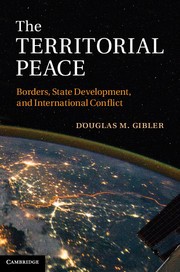
The Territorial Peace
0
0
As an Amazon Associate and affiliate partner, Menrva Books earns from qualifying purchases. Learn more
Author Description
There is continued discussion in international relations surrounding the existence (or not) of the 'democratic peace' - the idea that democracies do not fight each other. This book argues that threats to homeland territories force centralization within the state, for three reasons. First, territorial threats are highly salient to individuals and leaders must respond by promoting the security of the state. Second, threatened territories must be defended by large, standing land armies and these armies can then be used as forces for repression during times of peace. Finally, domestic political bargaining is dramatically altered during times of territorial threat; with government opponents joining the leader in promoting the security of the state. Leaders therefore have a favorable environment in which to institutionalize greater executive power. These forces explain why conflicts are associated with centralized states and in turn why peace is associated with democracy
Menrva's Summary
THE THESIS
This book posits that threats to a state's homeland territory are a primary driver for the centralization of power within that state, which in turn fosters peace and democracy. The author argues that territorial threats compel leaders to prioritize state security, necessitating large standing armies that can also serve as instruments of repression. Furthermore, such threats alter domestic political bargaining, often leading opponents to unite behind the leader and creating an environment conducive to the institutionalization of executive power. These dynamics explain the correlation between conflict and centralized states, and conversely, between peace and democratic governance.
THE SCOPE MAP
- Analysis of the relationship between territorial threats and state centralization.
- Examination of the role of standing armies in both defense and repression.
- Exploration of how domestic political bargaining shifts during times of territorial threat.
- Argument for the link between centralized states, peace, and the rise of democracy.
- Discussion of the 'democratic peace' theory in international relations.
THE AUTHORITY PERSPECTIVE
The book's central argument, that territorial threats drive state centralization and ultimately promote peace and democracy, offers a novel perspective on established theories in international relations. By focusing on the internal dynamics of states responding to external pressures, it provides a framework for understanding the conditions under which democratic institutions may emerge and stabilize. The author's detailed reasoning suggests a rigorous academic approach to the subject matter.
Page Count:
189
Publication Date:
2012-01-01
ISBN-10:
1107016215
ISBN-13:
9781107016217
History
Non-Fiction
Politics
Science
International relations
Conflict Studies
Democracy
Community Tags
Similar Books