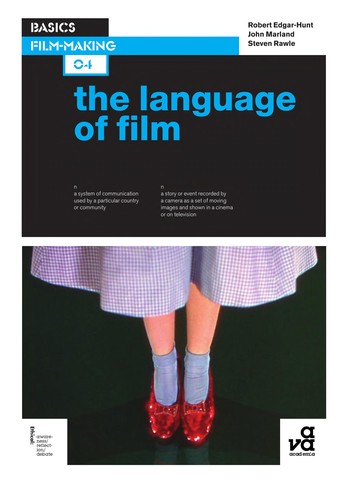
The Language of Film
0
0
As an Amazon Associate and affiliate partner, Menrva Books earns from qualifying purchases. Learn more
Author Description
Becoming an effective filmmaker involves being deliberately mindful of the structures and conventions that allow film to communicate meaning to a global audience. The Language of Film explores complex topics such as semiotics, narrative, intertextuality, ideology and the aesthetics of film in a clear and straightforward style, enabling you to apply these ideas and techniques to your own analysis or film-making. With full-colour film stills, in-depth case studies and a wide range of practical exercises, The Language of Film will help you to make the transition from consumer to practitioner - from someone who just responds to the language of film, to someone who actively uses it. In the second edition, a new chapter examines how sound contributes to narrative and space to tell stories, create imaginary worlds and shape the realist (and often non-realist) effect of cinema. Along with two case studies from the first edition, Seven (dir: David Fincher) and Citizen Kane (dir: Orson Welles), the second edition also includes five new case studies: The Secret Life of Walter Mitty (dir: Ben Stiller), Dead Man's Shoes (dir: Shane Meadows), Hero (dir: Yimou Zhang), Berberian Sound Studio (d: Peter Strickland) and Psycho (d: Alfred Hitchcock)
Menrva's Summary
THE THESIS
This book investigates how filmmakers use structural and conventional elements to communicate meaning. The Language of Film delves into complex topics such as semiotics, narrative, intertextuality, ideology, and film aesthetics, presenting them in a clear and straightforward manner. It aims to equip readers with the ability to apply these concepts to their own analysis or filmmaking endeavors. The text is enhanced by full-color film stills, in-depth case studies, and practical exercises designed to transform readers from passive consumers into active practitioners of film language.
THE SCOPE MAP
- Exploration of semiotics in film
- Analysis of narrative structures and conventions
- Discussion of intertextuality and its role in meaning-making
- Examination of ideology within cinematic works
- Study of film aesthetics and visual language
- Practical exercises for applying analytical techniques
- New chapter on the contribution of sound to narrative and space
- Case studies including Seven, Citizen Kane, The Secret Life of Walter Mitty, Dead Man's Shoes, Hero, Berberian Sound Studio, and Psycho
THE AUTHORITY PERSPECTIVE
This text is structured as an educational resource for aspiring filmmakers and film students, offering a comprehensive overview of cinematic communication. The inclusion of diverse case studies and practical exercises suggests a pedagogical approach aimed at bridging theoretical knowledge with practical application. The second edition's updated content, particularly the chapter on sound, indicates an effort to remain current with evolving film studies discourse. The book appears designed to foster a deeper understanding and active use of film language.
Page Count:
216
Publication Date:
2016-01-01
ISBN-10:
8434210738
ISBN-13:
9788434210738
History
Non-Fiction
Art
Semiotics
Film Studies
Filmmaking
Aesthetics
Narrative Theory
Community Tags
Similar Books