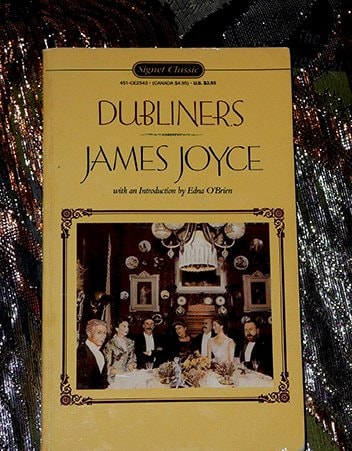
Dubliners
0
0
As an Amazon Associate and affiliate partner, Menrva Books earns from qualifying purchases. Learn more
Author Description
Although James Joyce began these stories of Dublin life in 1904, when he was 22, and had completed them by the end of 1907, they remained unpublished until 1914 — victims of Edwardian squeamishness. Their vivid, tightly focused observations of the life of Dublin's poorer classes, their unconventional themes, coarse language, and mention of actual people and places made publishers of the day reluctant to undertake sponsorship.Today, however, the stories are admired for their intense and masterly dissection of "dear dirty Dublin," and for the economy and grace with which Joyce invested this youthful fiction. From "The Sisters," the first story, illuminating a young boy's initial encounter with death, through the final piece, "The Dead," considered a masterpiece of the form, these tales represent, as Joyce himself explained, a chapter in the moral history of Ireland that would give the Irish "one good look at themselves." But in the end the stories are not just about the Irish; they represent moments of revelation common to all people.
Menrva's Summary
THE PULSE
A series of interconnected narratives captures the paralysis and moral stagnation of early 20th-century Dublin residents. The collection follows various protagonists across different stages of life, from childhood to adulthood, as they navigate the social, religious, and political constraints of their environment. Joyce employs a naturalistic framework to examine the quiet desperation and missed opportunities of his characters. The stories function as a collective portrait of a city, utilizing precise, observational prose to reveal the internal conflicts of individuals trapped by their own circumstances.
INSIDE THE PAGES
- Use of epiphany as a central narrative device to reveal character truths
- Naturalistic depiction of urban poverty and social hierarchy
- Focus on the theme of paralysis within Irish society
- Integration of specific Dublin landmarks and real-world geography
- Shift in perspective from childhood innocence to adult disillusionment
- Precise, economical prose style that avoids unnecessary ornamentation
- Exploration of religious and political influence on personal identity
- Non-linear thematic progression culminating in the novella-length story The Dead
THE COLLECTIVE ECHO
Readers and critics frequently highlight the collection's ability to transform mundane urban existence into profound moments of human revelation. Discussion often centers on Joyce's technical precision and his refusal to romanticize the struggles of the Irish working class. Many observers note that while the stories are deeply rooted in a specific time and place, the underlying themes of isolation and self-deception remain relevant to a broad audience. The balance between objective observation and sympathetic character development continues to serve as a primary focus for academic analysis and literary study.
Page Count:
0
Publication Date:
2000-01-01
Publisher:
Oxford University Press
ISBN-10:
0199209707
ISBN-13:
9780199209705
Literary Fiction
Modernism
classic
Short Stories
Irish literature
Community Tags
Other Editions(47)

Independently published
2023
Default edition
Independently Published
2022

Independently published
2022

Independently Published
2022
Independently published
2021
Independently published
2021
Independently published
2021

Independently published
2021

Independently Published
2021

Independently published
2021

Independently Published
2021

Independently Published
2021

Independently Published
2021

Independently Published
2020

Independently Published
2020
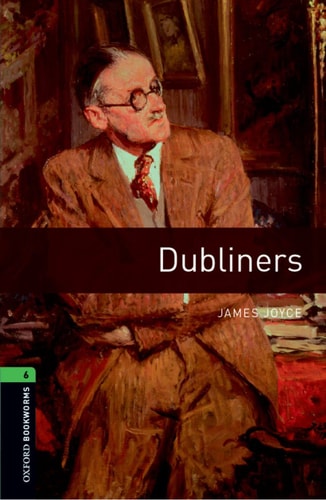
Oxford University Press España, S.A.
2020
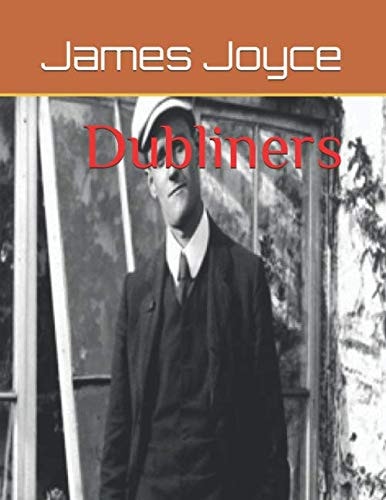
Independently published
2019
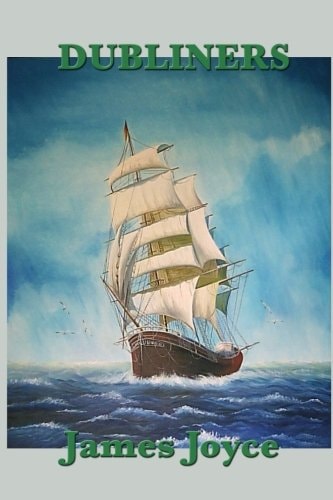
Start Publishing LLC
2017

Lerner Publishing Group
2015
Oxford University Press España, S.A.
2014
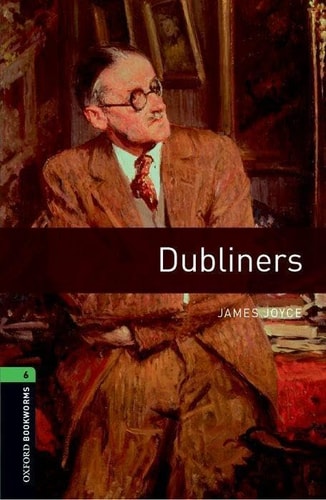
Oxford University Press, USA
2014

General Books
2012

Nabu Press
2011
Nabu Press
2010
Nabu Press
2010

CreateSpace Independent Publishing Platform
2010

CreateSpace Independent Publishing Platform
2010

General Books LLC
2009

BiblioLife
2009
BiblioLife
2009
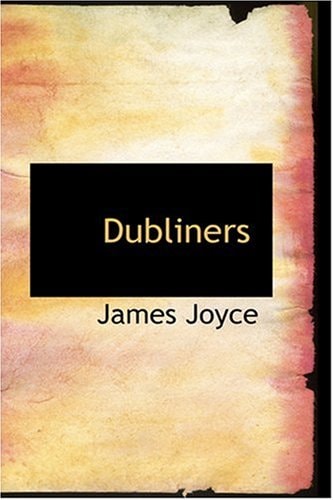
BiblioLife
2008
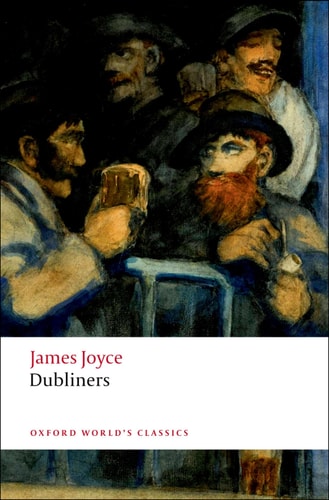
Oxford University Press
2008

Blackstone Audiobooks
2007

BiblioBazaar
2007

Kessinger Publishing
2004

HighBridge Audio
2004
Oxford University Press
2000

Naxos Audio Books
1999

Blackstone Pub
1992
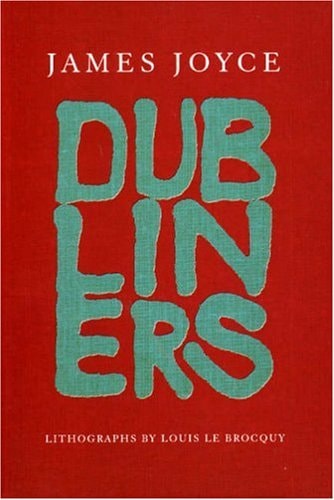
The Lilliput Press
1992

Sutton Pub Ltd
1992
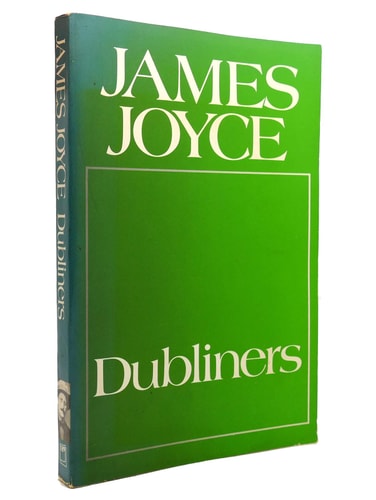
Penguin Books
1982

Viking
1982

Amereon Limited
1976
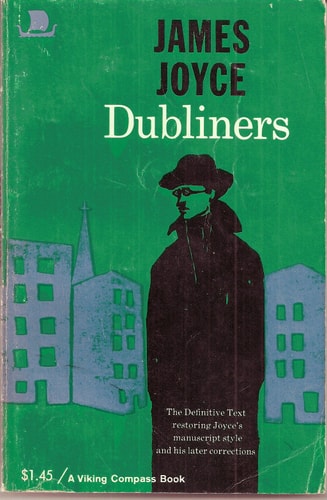
Viking Adult
1969

Modern Library
1926

Recorded Books, Inc.
1900
Similar Books
Reader Comments
Share Your Thoughts
No comments yet. Be the first to share your thoughts!