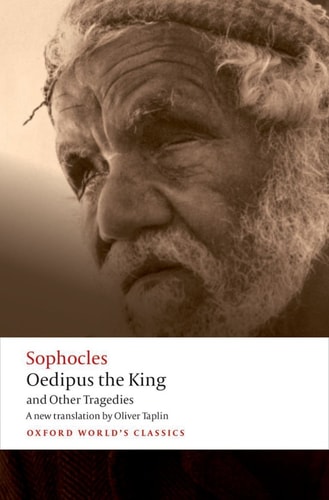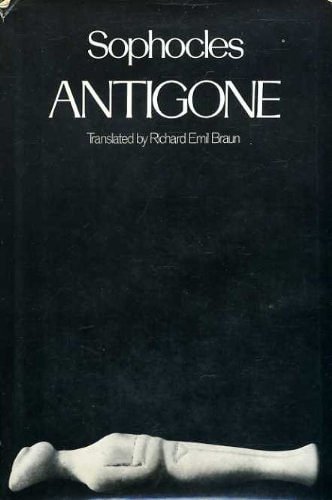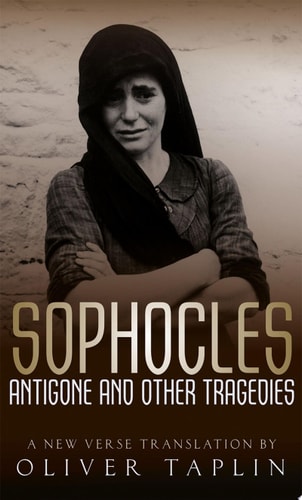
Sophocles: Antigone and Other Tragedies: Antigone, Deianeira, Electra
0
0
As an Amazon Associate and affiliate partner, Menrva Books earns from qualifying purchases. Learn more
Author Description
Sophocles stands as one of the greatest dramatists of all time, and one of the most influential on artists and thinkers over the centuries. His plays are deeply disturbing and unpredictable, unrelenting and open-ended, refusing to present firm answers to the questions of human existence, or to provide a redemptive justification of the ways of gods to men-or women. These three tragedies portray the extremes of human suffering and emotion, turning the heroic myths into supreme works of poetry and dramatic action.Antigone's obsession with the dead, Creon's crushing inflexibility, Deianeira's jealous desperation, the injustice of the gods witnessed by Hyllus, Electra's obsessive vindictiveness, the threatening of insoluble dynastic contamination... Such are the pains and distortions and instabilities of Sophoclean tragedy. And yet they do not deteriorate into cacophony or disgust or incoherence or silence: they face the music, and through that the suffering is itself turned into the coherence of music and poetry. These original and distinctive verse translations convey the vitality of Sophocles' poetry and the vigour of the plays in performance, doing justice to both the sound of the poetry and the theatricality of the tragedies. Each play is accompanied by an introduction and substantial notes on topographical and mythical references and interpretation.Antigone is an icon of Greek tragedy, and Antigone is herself a tragic icon in world theatre. Sophocles' best-known and most performed play tells a story of defiance and the impossible demands of loyalty.Deianeira, also known as Women of Trachis or Trachinaian Women, wrestles with the anxieties of matrimony and motherhood, following the doomed attempt by the wife of the hero Heracles to assert her dignity.Electra portrays a vengeful daughter's journey through unflagging grief and murderous fury, ending without resolution in uncertainty and suspense.
Menrva's Summary
THE PULSE
The central conflict arises from the irreconcilable clash between individual moral imperatives and the rigid, often destructive, demands of state or divine law. Each play follows a protagonist—Antigone, Deianeira, and Electra—as they navigate extreme emotional and ethical crises that threaten their social standing and personal survival. The narrative framework relies on the conventions of ancient Greek theater, utilizing verse dialogue and choral commentary to explore the limits of human agency. These characters face insurmountable opposition from authority figures and cosmic forces, leading to inevitable suffering that tests the boundaries of their endurance.
INSIDE THE PAGES
- Exploration of the tension between divine law and human decree
- Use of choral odes to provide thematic context and emotional resonance
- Focus on the psychological interiority of female protagonists
- Examination of dynastic instability and the weight of ancestral curses
- Utilization of dramatic irony to heighten the sense of impending doom
- Emphasis on the performative aspects of grief and vengeance
- Integration of mythical archetypes to ground the narrative in cultural history
- Structural reliance on the unities of time, place, and action
THE COLLECTIVE ECHO
Readers and critics frequently highlight the stark, uncompromising nature of these translations, which prioritize the rhythmic vitality of the original Greek verse. Discussion often centers on the enduring relevance of the protagonists' defiance against oppressive structures, noting how Sophocles avoids providing easy moral resolutions. The balance between the plays' intense emotional outbursts and the formal constraints of the dramatic structure is a frequent point of analysis. Scholars often praise the inclusion of substantial notes, which assist in navigating the complex topographical and mythical references embedded within the text. The collection is widely regarded as a vital resource for understanding the mechanics of ancient tragedy and its continued influence on modern theatrical performance.
Page Count:
272
Publication Date:
2020-11-29
Publisher:
Oxford University Press
ISBN-10:
0199286248
ISBN-13:
9780199286249
Poetry
Drama
Plays
Greek
Tragedy
Classical
Community Tags
Similar Books