In Praise of Profanity
0
0
As an Amazon Associate and affiliate partner, Menrva Books earns from qualifying purchases. Learn more
Author Description
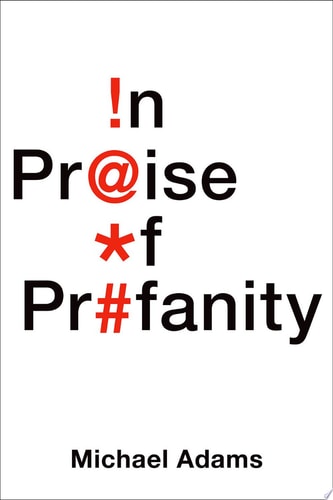
When President Obama signed the affordable health care act in 2009, the Vice President was overheard to utter an enthusiastic "This is a big f****** deal!" A town in Massachusetts levies $20 fines on swearing in public. Nothing is as paradoxical as our attitude toward swearing and "bad language": how can we judge profanity so harshly in principle, yet use it so frequently in practice? Though profanity is more acceptable today than ever, it is still labeled as rude, or at best tolerable only under specific circumstances. Cursing, many argue, signals an absence of character, or poor parenting, and is something to avoid at all costs. Yet plenty of us are unconcerned about the dangers of profanity; bad words are commonly used in mainstream music, Academy Award-winning films, books, and newspapers. And of course, regular people use them in conversation every day. In In Praise of Profanity, Michael Adams offers a provocative, unapologetic defense of profanity, arguing that we've oversimplified profanity by labeling it as taboo. Profanity is valuable, even essential, both as a vehicle of communication and an element of style. As much as we may deplore it in some contexts, we should celebrate it in others. Adams skillfully weaves together linguistic and psychological analyses of why we swear-for emotional release, as a way to promote group solidarity, or to create intimate relationships -- with colorful examples of profanity in literature, TV, film, and music, such as The Sopranos, James Kelman's How Late It Was, How Late, or the songs of Nellie McKay. This breezy, jargon-free book will challenge readers to reconsider the way they think about swearing.
Menrva's Summary
THE THESIS
Michael A. Adams investigates the paradox of why society simultaneously condemns profanity as a moral failing while utilizing it as a ubiquitous and essential tool for communication. Adams, a scholar of language, challenges the conventional view that swearing indicates a lack of character or poor upbringing. By examining the intersection of linguistics and psychology, he argues that profanity serves vital functions in human interaction, including emotional release, the reinforcement of group solidarity, and the cultivation of intimacy.
THE SCOPE MAP
What You Will Find
- Linguistic analysis of the evolution and social function of taboo language
- Psychological examination of why humans utilize profanity for emotional regulation
- Case studies from popular culture including television, film, music, and literature
- Arguments regarding the role of profanity in stylistic expression and social bonding
THE AUTHORITY PERSPECTIVE
Critics and readers appreciate the accessible, jargon-free prose that makes complex linguistic concepts easy to digest. The book is widely recognized as a thought-provoking contribution to the study of social norms and the nuances of modern communication.
Page Count:
269
Publication Date:
2016-01-01
Publisher:
Oxford University Press
ISBN-10:
0199337608
ISBN-13:
9780199337606
Psychology
Non-Fiction
Linguistics
English & College Success
Developmental English
Sociology
English
Community Tags
Similar Books