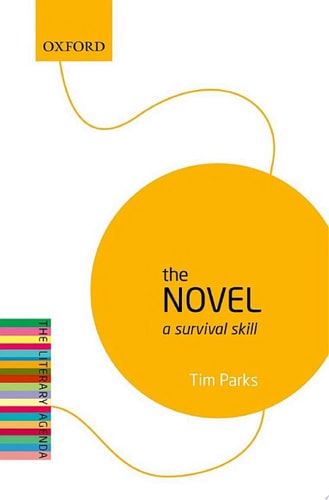
The Novel: A Survival Skill
0
0
As an Amazon Associate and affiliate partner, Menrva Books earns from qualifying purchases. Learn more
Author Description
The Literary Agenda is a series of short polemical monographs about the importance of literature and of reading in the wider world and about the state of literary education inside schools and universities. The category of 'the literary' has always been contentious. What is clear, however, is how increasingly it is dismissed or is unrecognised as a way of thinking or an arena for thought. It is sceptically challenged from within, for example, by the sometimes rival claims of cultural history, contextualized explanation, or media studies. It is shaken from without by even greater pressures: by economic exigency and the severe social attitudes that can follow from it; by technological change that may leave the traditional forms of serious human communication looking merely antiquated. For just these reasons this is the right time for renewal, to start reinvigorated work into the meaning and value of literary reading. The Novel: A Survival Skill is the fruit of a lifetime's search for a different, more immediate, but again systematic and serious way of talking about literature. Developed over many years, it offers a completely new account of the relationship between a writer, his or her work, and the reader. As such it radically undermines traditional literary criticism and the various criteria used for evaluating a work of fiction. Drawing on ideas from systemic psychology, Tim Parks suggest that both the content and style of a novelist's work, the kind of stories told and the way in which they are told, form part of a more general strategy or simply habit of communication that the novelist has learned within his or her family of origin. The reader reacts to these in very much the same way he or she would react to the same communicative strategy in a real life encounter, different readers reacting differently depending on their own backgrounds and habits of communication. Looking at the different value structures that can dominate in any family--good/evil, independence
Menrva's Summary
THE THESIS
How does the act of reading a novel function as a psychological survival strategy rooted in the author's familial communication habits? Tim Parks, an established novelist and translator, utilizes his extensive experience in literary practice to challenge conventional academic criticism. He proposes a framework where both the creation and consumption of fiction are viewed as learned communicative strategies, arguing that readers engage with texts through the same psychological mechanisms used in real-world interpersonal interactions.
THE SCOPE MAP
What You Will Find
- A systemic psychological framework for analyzing narrative style and content.
- An examination of how family-of-origin dynamics influence a writer's communicative habits.
- A critique of traditional academic methods for evaluating literary fiction.
Scope Limits
- The text does not provide a comprehensive history of the novel as a genre.
- It does not offer a traditional pedagogical guide for literary analysis in university settings.
THE AUTHORITY PERSPECTIVE
Critics and readers often note the provocative nature of Parks's polemical approach, which seeks to dismantle established critical hierarchies. Scholars frequently highlight the text as a challenging, non-traditional perspective that prioritizes the psychological interplay between author and reader over formalist analysis.
Page Count:
199
Publication Date:
2015-01-01
Publisher:
OUP Oxford
ISBN-10:
0191060038
ISBN-13:
9780191060038
Psychology
Non-Fiction
English
Communication Studies
Literary Criticism
English & College Success
Essays
Community Tags
Similar Books