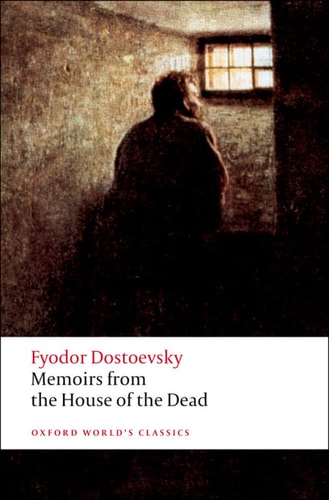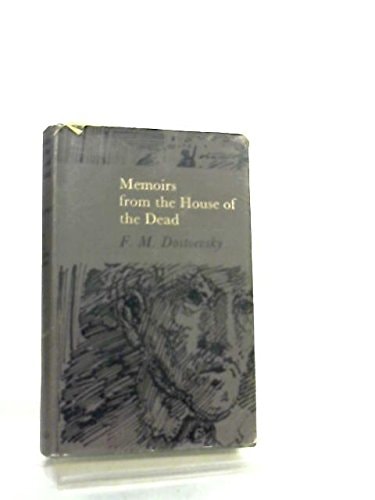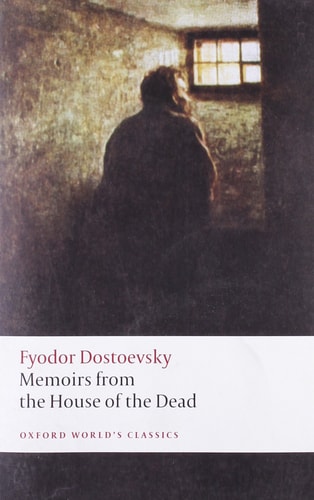
Memoirs from the House of the Dead
0
0
As an Amazon Associate and affiliate partner, Menrva Books earns from qualifying purchases. Learn more
Author Description
In this almost documentary account of his own experiences of penal servitude in Siberia, Dostoevsky describes the physical and mental suffering of the convicts, the squalor and the degradation, in relentless detail. The inticate procedure whereby the men strip for the bath without removing their ten-pound leg-fetters is an extraordinary tour de force, compared by Turgenev to passages from Dante's Inferno. Terror and resignation - the rampages of a pyschopath, the brief serence interlude of Christmas Day - are evoked by Dostoevsky, writing several years after his release, with a strikingly uncharacteristic detachment. For this reason, House of the Dead is certainly the least Dostoevskian of his works, yet, paradoxically, it ranks among his great masterpieces.About the Series: For over 100 years Oxford World's Classics has made available the broadest spectrum of literature from around the globe. Each affordable volume reflects Oxford's commitment to scholarship, providing the most accurate text plus a wealth of other valuable features, including expert introductions by leading authorities, voluminous notes to clarify the text, up-to-date bibliographies for further study, and much more.
Menrva's Summary
THE PULSE
A man sentenced to penal servitude in Siberia navigates the brutal, dehumanizing reality of life within a prison camp. The protagonist, Alexander Petrovich Goryanchikov, observes the complex social hierarchies and psychological states of his fellow convicts while enduring the physical degradation of forced labor. The narrative framework functions as a semi-autobiographical account, utilizing a detached, observational tone to document the harsh conditions of the Siberian penal system. The protagonist must reconcile his own identity with the collective misery of the men surrounding him, facing the constant threat of violence and the crushing weight of institutional confinement.
INSIDE THE PAGES
- First-person observational narrative structure
- Detailed descriptions of prison hygiene and physical labor
- Exploration of the psychological impact of long-term incarceration
- Analysis of social stratification among the convict population
- Vivid depictions of the squalor and environmental harshness of Siberia
- Inclusion of specific vignettes regarding the humanity of the prisoners
- Contrast between moments of extreme violence and brief, serene interludes
- Reflection on the nature of freedom and the loss of individual autonomy
THE COLLECTIVE ECHO
Readers and critics frequently note the uncharacteristic detachment Dostoevsky employs in this work compared to his later, more feverish novels. Discussion often centers on the book's documentary quality, which provides a stark look at the realities of 19th-century penal servitude. Many highlight the author's ability to find humanity within the most degraded conditions, noting that the text serves as a profound study of the human spirit under duress. The work is often praised for its unflinching honesty and its influence on the development of the psychological novel. Scholars frequently compare the visceral imagery of the prison bathhouse scene to the most intense passages in classical literature.
Page Count:
400
Publication Date:
2008-08-01
Publisher:
Oxford University Press
ISBN-10:
0199540519
ISBN-13:
9780199540518
Historical
Autobiographical fiction
Prison Literature
Classic Literature
Russian