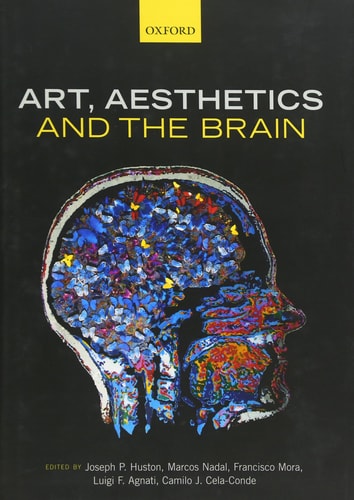
Art, Aesthetics, and the Brain
0
0
As an Amazon Associate and affiliate partner, Menrva Books earns from qualifying purchases. Learn more
Author Description
Humans have engaged in artistic and aesthetic activities since the appearance of our species. Our ancestors have decorated their bodies, tools, and utensils for over 100,000 years. The expression of meaning using color, line, sound, rhythm, or movement, among other means, constitutes a fundamental aspect of our species' biological and cultural heritage. Art and aesthetics, therefore, contribute to our species identity and distinguish it from its living and extinct relatives.Science is faced with the challenge of explaining the natural foundations of such a unique trait, and the way cultural processes nurture it into magnificent expressions, historically and ethnically unique. How does the human brain bring about these sorts of behaviors? What neural processes underlie the appreciation of painting, music, and dance? How does training modulate these processes? How are they impaired by brain lesions and neurodegenerative diseases? How did such neural underpinnings evolve? Are humans the only species capable of aesthetic appreciation, or are other species endowed with the rudiments of this capacity?This volume brings together the work on such questions by leading experts in genetics, psychology, neuroimaging, neuropsychology, art history, and philosophy. It sets the stage for a cognitive neuroscience of art and aesthetics, understood in the broadest possible terms. With sections on visual art, dance, music, neuropsychology, and evolution, the breadth of this volume's scope reflects the richness and variety of topics and methods currently used today by scientists to understand the way our brain endows us with the faculty to produce and appreciate art and aesthetics.
Menrva's Summary
THE THESIS
This volume investigates the biological and neural foundations of human artistic expression and aesthetic appreciation. The authors, a multidisciplinary team of experts in genetics, psychology, and neuroimaging, synthesize current research to explain how the human brain facilitates the creation and perception of art. By bridging the gap between cultural history and neurobiology, the text provides a framework for understanding how aesthetic behaviors evolved and how they are modulated by neural processes.
THE SCOPE MAP
What You Will Find
- Analysis of neural mechanisms underlying the appreciation of visual art, music, and dance
- Examination of the evolutionary origins of aesthetic capacity in humans and other species
- Discussion of how brain lesions and neurodegenerative diseases impact artistic expression
- Integration of methodologies from neuroimaging, neuropsychology, and art history
THE AUTHORITY PERSPECTIVE
Experts recognize this volume as a foundational interdisciplinary text for those studying the cognitive neuroscience of aesthetics. Readers frequently note the academic density of the prose, which effectively bridges complex biological data with philosophical inquiry.
Page Count:
544
Publication Date:
2015-09-01
Publisher:
Oxford University Press
ISBN-10:
0199670005
ISBN-13:
9780199670000
Philosophy
Psychology
Art History
Creative ability
Evolutionary Biology
Neuroscience
Community Tags
Other Editions(3)
Similar Books













Reader Comments
Share Your Thoughts
No comments yet. Be the first to share your thoughts!