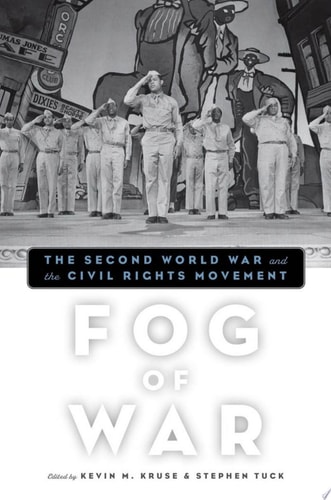
Fog of War
0
0
As an Amazon Associate and affiliate partner, Menrva Books earns from qualifying purchases. Learn more
Author Description
It Is Well Known That World War Ii Gave Rise To Human Rights Rhetoric, Discredited A Racist Regime Abroad, And Provided New Opportunities For African Americans To Fight, Work, And Demand Equality At Home. It Would Be All Too Easy To Assume That The War Was A Key Stepping Stone To The Modern Civil Rights Movement. But Fog Of War Shows That In Reality The Momentum For Civil Rights Was Not So Clear Cut, With Activists Facing Setbacks As Well As Successes And Their Opponents Finding Ways To Establish More Rigid Defenses For Segregation. While The War Set The Scene For A Mass Movement, It Also Narrowed Some Of The Options For Black Activists. This Collection Is A Timely Reconsideration Of The Intersection Between Two Of The Dominant Events Of Twentieth-century American History, The Upheaval Wrought By The Second World War And The Social Revolution Brought About By The African American Struggle For Equality.
Menrva's Summary
THE THESIS
This book investigates the complex, often contradictory relationship between the Second World War and the development of the American Civil Rights Movement. Kevin M. Kruse and Stephen Tuck, both distinguished historians, curate a collection of essays that challenge the narrative that the war served as a simple catalyst for racial equality. By analyzing the political and social climate of the 1940s, the authors argue that the war simultaneously opened doors for activism while providing new tools for segregationists to entrench their power.
THE SCOPE MAP
What You Will Find
- Analysis of the intersection between global conflict and domestic racial politics.
- Examination of the specific setbacks and successes faced by Black activists during the 1940s.
- Historical evidence drawn from primary source accounts and political records of the era.
- A critical evaluation of how wartime rhetoric influenced the trajectory of the civil rights struggle.
THE AUTHORITY PERSPECTIVE
Historians and scholars recognize this collection as a vital corrective to simplified narratives regarding the origins of the Civil Rights Movement. The text is noted for its academic rigor and its ability to provide a nuanced view of the mid-twentieth-century American landscape.
Page Count:
256
Publication Date:
2011-01-01
Publisher:
Oxford University Press
ISBN-10:
0199700192
ISBN-13:
9780199700196
History
Civil Rights
Social History
Community Tags
Similar Books