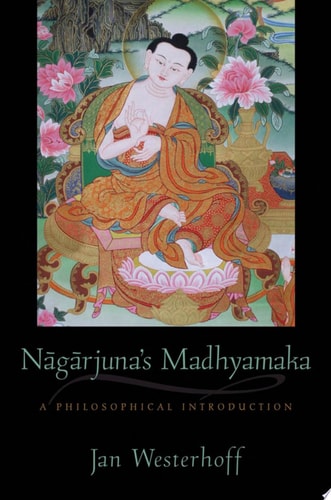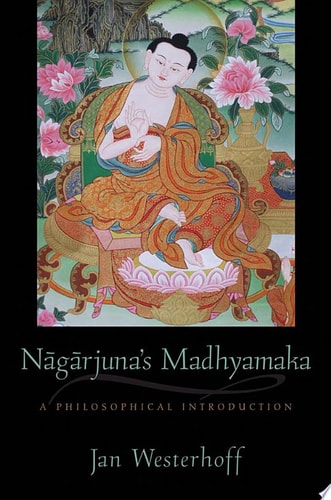
Nagarjuna's Madhyamaka
0
0
As an Amazon Associate and affiliate partner, Menrva Books earns from qualifying purchases. Learn more
Author Description
The Indian Philosopher Acharya Nagarjuna (c. 150-250 Ce) Was The Founder Of The Madhyamaka (middle Path) School Of Mahayana Buddhism And Arguably The Most Influential Buddhist Thinker After Buddha Himself. Indeed, In The Tibetan And East Asian Traditions, Nagarjuna Is Often Referred To As The Second Buddha. His Primary Contribution To Buddhist Thought Lies Is In The Further Development Of The Concept Of Sunyata Or Emptiness. For Nagarjuna, All Phenomena Are Without Any Svabhaba, Literally Own-nature Or Self-nature, And Thus Without Any Underlying Essence. In This Book, Jan Westerhoff Offers A Systematic Account Of Nagarjuna's Philosophical Position. He Reads Nagarjuna In His Own Philosophical Context, But He Does Not Hesitate To Show That The Issues Of Indian And Tibetan Buddhist Philosophy Have At Least Family Resemblances To Issues In European Philosophy.
Menrva's Summary
THE THESIS
This book investigates the core philosophical framework of Nagarjuna, specifically his development of the concept of Sunyata or emptiness. Jan Westerhoff, a scholar of Indian and Tibetan Buddhist philosophy, provides a systematic reconstruction of Nagarjuna's arguments regarding the lack of inherent nature in all phenomena. By situating these ideas within their original historical context while drawing parallels to European philosophical traditions, the author clarifies the logical structure of the Madhyamaka school.
THE SCOPE MAP
What You Will Find
- A detailed examination of the concept of Sunyata and the absence of Svabhaba.
- A systematic analysis of Nagarjuna's primary philosophical arguments.
- Comparative analysis between Indian Buddhist thought and Western philosophical traditions.
- Historical context regarding the life and influence of Nagarjuna within the Mahayana tradition.
THE AUTHORITY PERSPECTIVE
Experts recognize this work as a rigorous and accessible entry point for those seeking to understand the complexities of Madhyamaka philosophy. Readers frequently note the clarity with which Westerhoff bridges the gap between ancient Buddhist logic and contemporary philosophical discourse.
Page Count:
256
Publication Date:
2009-01-01
Publisher:
Oxford University Press, Incorporated
ISBN-10:
0199705119
ISBN-13:
9780199705115
Philosophy
Religion
Metaphysics
Buddhism
Community Tags
Similar Books