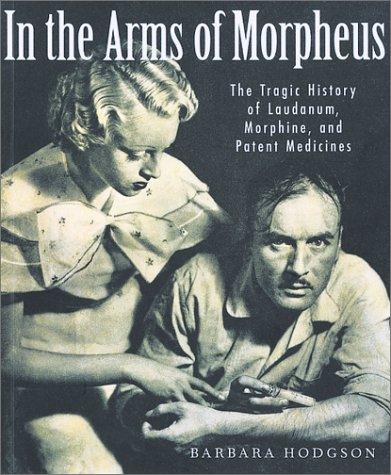
In the Arms of Morpheus
0
0
As an Amazon Associate and affiliate partner, Menrva Books earns from qualifying purchases. Learn more
Author Description
Examines how the drinking of laudanum for medical reasons developed and how it became an everyday safeguard against pain, poverty, and boredom. Opium eating was catapulted into fame by the confessions of Thomas De Quincy and insinuated itself into the lives and works of writers such as Louisa May Alcott, Lord Byron, Shelley, Elizabeth Barrett Browning, John Keats, the Bronts͡, Samuel Taylor Coleridge and many others. Illustrated with photographs, engravings, advertisements, movie stills, pulp magazine and dime novel covers and paraphernalia.
Menrva's Summary
THE THESIS
The widespread use of laudanum, an opium tincture, evolved from a medical treatment to a pervasive societal balm against life's hardships. This book explores the historical trajectory of laudanum consumption, detailing its transition from a prescribed remedy to an everyday safeguard against pain, poverty, and boredom. It highlights how the public fascination with opium eating, amplified by Thomas De Quincy's influential writings, permeated the lives and creative output of numerous prominent literary figures. The narrative is further enriched by a diverse array of visual materials, including photographs, engravings, advertisements, and popular culture ephemera.
THE SCOPE MAP
- The historical development of laudanum as a medical treatment.
- The social and cultural reasons for laudanum's widespread adoption.
- The influence of Thomas De Quincy's 'Confessions of an English Opium-Eater'.
- Laudanum use among notable writers such as Lord Byron, Keats, and the Brontës.
- Visual documentation including photographs, engravings, and advertisements.
- Analysis of popular culture representations of laudanum in pulp magazines and movie stills.
THE AUTHORITY PERSPECTIVE
This work is likely to be appreciated by readers interested in social history and the cultural impact of drug use. The detailed examination of laudanum's role in society and its connection to literary figures suggests a scholarly yet accessible approach. The inclusion of varied visual materials indicates an effort to provide a comprehensive and engaging historical account. The book's focus on the everyday use of a substance often relegated to sensationalized narratives offers a nuanced perspective on historical drug consumption.
Page Count:
152
Publication Date:
2001-01-01
ISBN-10:
155297538X
Non-Fiction
History
Social History
Medicine
Drug use
Community Tags
Similar Books