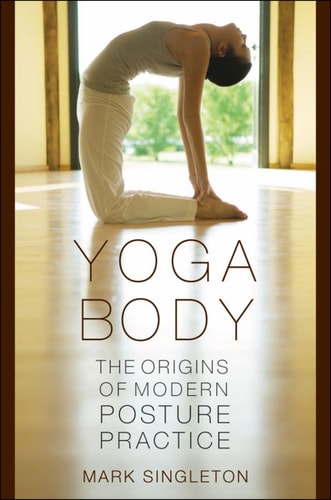
Yoga Body: The Origins of Modern Posture Practice
0
0
As an Amazon Associate and affiliate partner, Menrva Books earns from qualifying purchases. Learn more
Author Description
Yoga is so prevalent in the modern world--practiced by pop stars, taught in schools, and offered in yoga centers, health clubs, and even shopping malls--that we take its presence, and its meaning, for granted. But how did the current yoga boom happen? And is it really rooted in ancient Indian practices, as many of its adherents claim?In this groundbreaking book, Mark Singleton calls into question many commonly held beliefs about the nature and origins of postural yoga (asana) and suggests a radically new way of understanding the meaning of yoga as it is practiced by millions of people across the world today. Singleton shows that, contrary to popular belief, there is no evidence in the Indian tradition for the kind of health and fitness-oriented asana practice that dominates the global yoga scene of the twenty-first century. Singleton's surprising--and surely controversial--thesis is that yoga as it is popularly practiced today owes a greater debt to modern Indian nationalism and, even more surprisingly, to the spiritual aspirations of European bodybuilding and early 20th-century women's gymnastic movements of Europe and America, than it does to any ancient Indian yoga tradition. This discovery enables Singleton to explain, as no one has done before, how the most prevalent forms of postural yoga, like Ashtanga, Bikram and "Hatha" yoga, came to be the hugely popular phenomena they are today.Drawing on a wealth of rare documents from archives in India, the UK and the USA, as well as interviews with the few remaining, now very elderly figures in the 1930s Mysore asana revival, Yoga Body turns the conventional wisdom about yoga on its head.
Menrva's Summary
THE THESIS
This book investigates the historical origins of modern postural yoga to determine whether its contemporary fitness-oriented practices are truly rooted in ancient Indian traditions. Mark Singleton, a scholar of yoga history, utilizes extensive archival research and primary source interviews to challenge the popular narrative surrounding the development of asana. He argues that modern postural yoga is less a product of ancient lineage and more a synthesis of early 20th-century European gymnastics, bodybuilding, and Indian nationalism.
THE SCOPE MAP
What You Will Find
- Historical analysis of 20th-century European and American physical culture movements.
- Examination of the influence of Indian nationalism on the development of physical yoga.
- Primary source evidence from archives in India, the UK, and the USA.
- Interviews with figures involved in the 1930s Mysore asana revival.
THE AUTHORITY PERSPECTIVE
Scholars and practitioners frequently cite this work as a foundational text for understanding the modern yoga landscape. Experts highlight the rigorous academic density of the prose and the author's ability to dismantle long-standing myths regarding the antiquity of postural practice.
Page Count:
259
Publication Date:
2010-01-01
Publisher:
Oxford University Press
ISBN-10:
0199745986
ISBN-13:
9780199745982
Health
Religion
History
Yoga
Sociology
Fitness
Bibles
Posture
Hatha yoga
Community Tags
Other Editions(2)
Similar Books