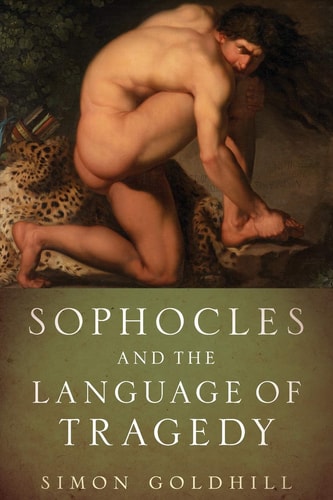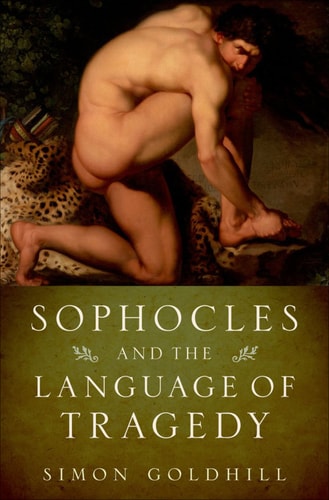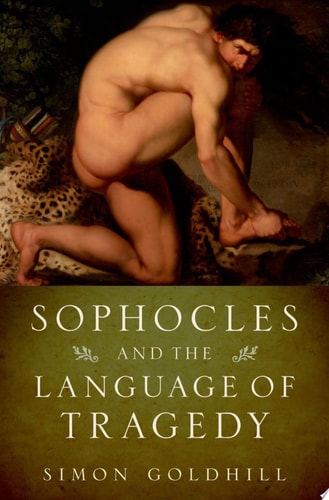
Sophocles and the Language of Tragedy
0
0
As an Amazon Associate and affiliate partner, Menrva Books earns from qualifying purchases. Learn more
Author Description
Written By One Of The Best-known Interpreters Of Classical Literature Today, Sophocles And The Language Of Tragedy Presents A Revolutionary Take On The Work Of This Great Classical Playwright And On How Our Understanding Of Tragedy Has Been Shaped By Our Literary Past. Simon Goldhill Sheds New Light On Sophocles' Distinctive Brilliance As A Dramatist, Illuminating Such Aspects Of His Work As His Manipulation Of Irony, His Construction Of Dialogue, And His Deployment Of The Actors And The Chorus. Goldhill Also Investigates How Nineteenth-century Critics Like Hegel, Nietzsche, And Wagner Developed A Specific Understanding Of Tragedy, One That Has Shaped Our Current Approach To The Genre. Finally, Goldhill Addresses One Of The Foundational Questions Of Literary Criticism: How Historically Self-conscious Should A Reading Of Greek Tragedy Be? The Result Is An Invigorating And Exciting New Interpretation Of The Most Canonical Of Western Authors.
Menrva's Summary
THE THESIS
This work investigates how the linguistic and dramatic structures of Sophoclean tragedy have been interpreted and potentially distorted by the critical traditions of the nineteenth century. Simon Goldhill, a prominent scholar of classical literature, utilizes a rigorous analytical framework to deconstruct the reception history of Sophocles. By examining the specific contributions of thinkers such as Hegel, Nietzsche, and Wagner, the author argues that modern perceptions of tragedy are heavily mediated by these historical interpretations. The book seeks to strip away these layers to reveal the technical brilliance of Sophocles' original dramatic craft.
THE SCOPE MAP
What You Will Find
- Analysis of Sophoclean dramatic techniques including irony, dialogue construction, and the interaction between actors and the chorus.
- A historical survey of nineteenth-century critical reception of Greek tragedy.
- Examination of the philosophical influence of Hegel, Nietzsche, and Wagner on modern literary theory.
- A methodological inquiry into the necessity of historical self-consciousness in contemporary readings of ancient texts.
THE AUTHORITY PERSPECTIVE
Scholars frequently cite this text as a significant contribution to the study of classical reception and dramatic theory. Readers often note the academic density of the prose, which requires a foundational understanding of both Greek drama and nineteenth-century philosophy to fully appreciate.
Page Count:
360
Publication Date:
2011-01-01
Publisher:
Oxford University Press
ISBN-10:
0199796327
ISBN-13:
9780199796328
Drama
History
Philosophy
Literary Criticism