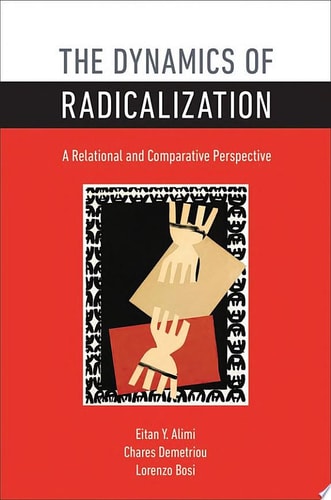
Dynamics of Radicalization: A Relational and Comparative Perspective
0
0
As an Amazon Associate and affiliate partner, Menrva Books earns from qualifying purchases. Learn more
Author Description
Why Is It That Some Social Movements Engaged In Contentious Politics Experience Radicalization Whereas Others Do Not? The Dynamics Of Radicalization Offers An Innovative Reply By Investigating How And When Social Movement Organizations Switch From A Nonviolent Mode Of Contention To A Violent One. Moving Beyond Existing Explanations That Posit Aggressive Motivations, Grievances Or Violence-prone Ideologies, This Book Demonstrates How These Factors Gain And Lose Salience In The Context Of Relational Dynamics Among Various Parties And Actors Involved In Episodes Of Contention. Drawing On A Comparative Historical Analysis Of Al-qaeda, The Red Brigades, The Cypriot Eoka, The Authors Develop A Relational, Mechanism-based Theory That Advances Our Understanding Of Political Violence In Several Important Ways By Identifying Turning Points In The Radicalization Process, Similar Mechanisms At Work Across Each Case, And The Factors That Drive Or Impede Radicalization. The Dynamics Of Radicalization Offers A Counterpoint To Mainstream Works On Political Violence, Which Often Presume That Political Violence And Terrorism Is Rooted In Qualities Intrinsic To Or Developed By Groups Considered To Be Radical.
Menrva's Summary
THE THESIS
This book investigates the relational and comparative mechanisms that cause social movement organizations to transition from nonviolent contention to political violence. The authors, Chares Demetriou, Eitan Y. Alimi, and Lorenzo Bosi, challenge the traditional focus on individual grievances or inherent ideological extremism. Instead, they propose a mechanism-based framework that examines how external interactions and shifting political contexts dictate the trajectory of radicalization within various movements.
THE SCOPE MAP
What You Will Find
- Comparative historical analysis of Al-Qaeda, the Red Brigades, and the Cypriot EOKA.
- A relational, mechanism-based theoretical framework for understanding political violence.
- Identification of specific turning points that trigger shifts in organizational tactics.
- Analysis of how external party dynamics influence the salience of violent versus nonviolent strategies.
THE AUTHORITY PERSPECTIVE
Experts identify this work as a significant departure from mainstream terrorism studies due to its focus on relational dynamics rather than static group characteristics. Scholars frequently note the academic rigor of the comparative historical approach, making it a valuable resource for researchers in political sociology and conflict studies.
Page Count:
352
Publication Date:
2015-01-01
Publisher:
Oxford University Press, Incorporated
ISBN-10:
0199937710
ISBN-13:
9780199937714
History
Sociology
Radicalism
Community Tags
Similar Books