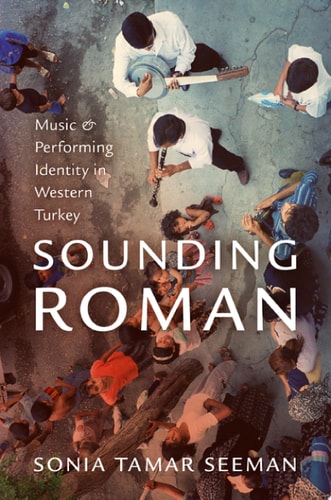
Sounding Roman: Music and Performing Identity in Western Turkey
0
0
As an Amazon Associate and affiliate partner, Menrva Books earns from qualifying purchases. Learn more
Author Description
How Do Marginalized Communities Speak Back To Power When They Are Excluded From Political Processes And Socially Denigrated? In What Ways Do They Use Music To Sound Out Their Unique Histories And Empower Themselves? How Can We Hear Their Voices Behind Stereotyped And Exaggerated Portrayals Promoted By Mainstream Communities, Record Producers And Government Officials? Sounding Roman: Music And Performing Identity In Western Turkey Explores These Questions Through A Historically-grounded And Ethnographic Study Of Turkish Roman (gypsies) From The Ottoman Period Up To The Present. Drawing On Extensive Ethnographic Fieldwork (1995 To The Present), Collected Oral Histories, Historical Documents Of Popular Culture (recordings, Images, Song Texts, Theatrical Scripts), Legal And Administrative Documents, This Book Takes A Hard Look At Historical Processes By Which Roman Are Stereotyped As And Denigrated As çingene---a Derogatory Group Name Equivalent To The English Term, Gypsy, And Explores Creative Musical Ways By Which Roman Have Forged New Musical Forms As A Means To Create And Assert New Social Identities. Sounding Roman Presents Detailed Musical Analysis Of Turkish Roman Musical Genres And Styles, Set Within Social, Historical And Political Contexts Of Musical Performances. By Moving From Byzantine And Ottoman Social Contexts, We Witness The Reciprocal Construction Of Ethnic Identity Of Both Roman And Turk Through Music In The 20th Century. From Neighborhood Weddings Held In The Streets, Informal Music Lessons, To Recording Studios And Concert Stages, The Book Traces The Dynamic Negotiation Of Social Identity With New Musical Sounds. Through A Detailed Ethnography Of Turkish Roman (gypsy) Musical Practices From The Ottoman Period To The Present, This Work Investigates The Power Of Music To Configure New Social Identities And Pathways For Political Action, While Testing The Limits Of Cultural Representation To Effect Meaningful Social Change.
Menrva's Summary
THE THESIS
How do marginalized communities utilize music to assert identity and challenge social exclusion when traditional political avenues remain inaccessible? Sonia Tamar Seeman, an ethnomusicologist, examines the historical and contemporary experiences of the Turkish Roman community. By synthesizing extensive ethnographic fieldwork with archival research, she argues that musical performance serves as a critical site for negotiating social identity and resisting derogatory stereotypes.
THE SCOPE MAP
What You Will Find
- Historical analysis of Roman identity from the Ottoman period to the present day.
- Detailed musical analysis of Turkish Roman genres and performance styles.
- Ethnographic data gathered from neighborhood weddings, informal lessons, and recording studios.
- Examination of legal and administrative documents alongside popular culture artifacts like theatrical scripts and song texts.
THE AUTHORITY PERSPECTIVE
Scholars in ethnomusicology and Middle Eastern studies recognize this work as a rigorous investigation into the intersection of performance and political agency. Readers frequently note the depth of the historical research and the clarity with which Seeman connects local musical practices to broader social structures.
Page Count:
320
Publication Date:
2019-01-01
Publisher:
Oxford University Press
ISBN-10:
0199949255
ISBN-13:
9780199949250
Music
History
Turkey
Sociology
Community Tags
Other Editions(2)
Similar Books













Reader Comments
Share Your Thoughts
No comments yet. Be the first to share your thoughts!