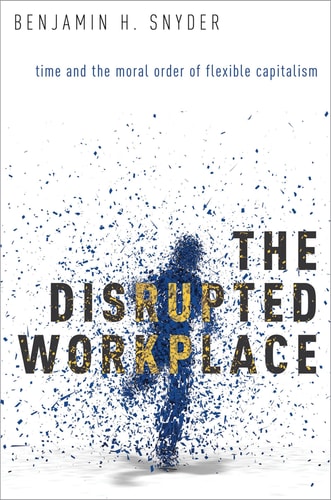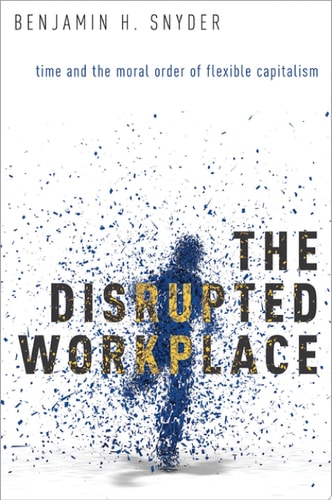
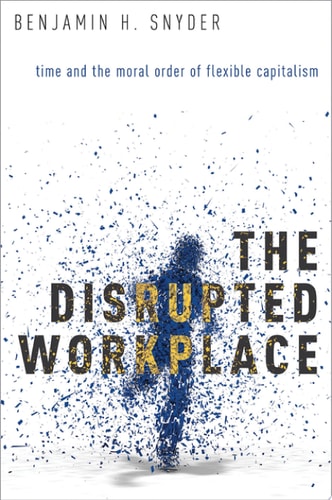
The Disrupted Workplace
0
0
As an Amazon Associate and affiliate partner, Menrva Books earns from qualifying purchases. Learn more
Author Description
The Twenty-first Century Workplace Compels Americans To Be More Flexible, Often At A Cost To Their Personal Well-being. In The Disrupted Workplace, Benjamin Snyder Examines How Three Groups Of American Workers Construct Moral Order In A Capitalist System That Demands Flexibility. Snyder Argues That New Scheduling Techniques, Employment Strategies, And Technologies Disrupt The Flow And Trajectory Of Working Life, Transforming How Workers Experience Time. Work Can Feel Both Liberating And Terrorizing, Engrossing In The Short Term But Unsustainable In The Long Term. Through A Vivid Portrait Of Workers' Struggles To Adapt Their Lives To Constant Disruption, The Disrupted Workplace Mounts A Compelling Critique Of The Price Of The Flexible Economy.
Menrva's Summary
THE THESIS
How does the modern demand for workplace flexibility fundamentally alter the human experience of time and moral order? Benjamin H. Snyder, a sociologist, investigates the intersection of labor practices and personal well-being within the American capitalist framework. By analyzing the impact of scheduling technologies and employment strategies, Snyder argues that constant disruption creates a paradox where work feels simultaneously liberating and unsustainable for the individual.
THE SCOPE MAP
What You Will Find
- Analysis of three distinct groups of American workers and their adaptation strategies
- Examination of how digital scheduling and employment techniques disrupt life trajectories
- Qualitative research focusing on the psychological and temporal costs of the flexible economy
Scope Limits
- Does not provide a comprehensive policy manual for corporate human resources departments
- Does not focus on global labor markets outside of the United States
THE AUTHORITY PERSPECTIVE
Scholars and sociologists frequently cite this work for its nuanced examination of temporal disruption in modern labor. Readers often note the academic rigor of the prose, which provides a clear framework for understanding the hidden costs of contemporary employment models.
Page Count:
288
Publication Date:
2016-01-01
Publisher:
Oxford University Press
ISBN-10:
019020351X
ISBN-13:
9780190203511
Economics
Sociology
Workplace Culture
Capitalism
Labor Studies
Community Tags
Other Editions(2)
Similar Books