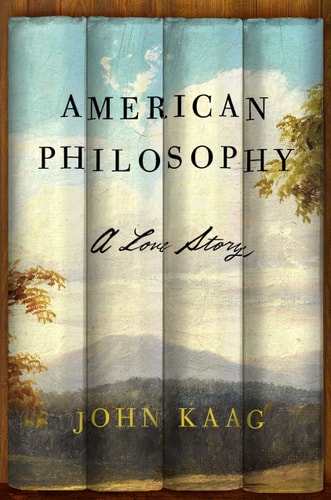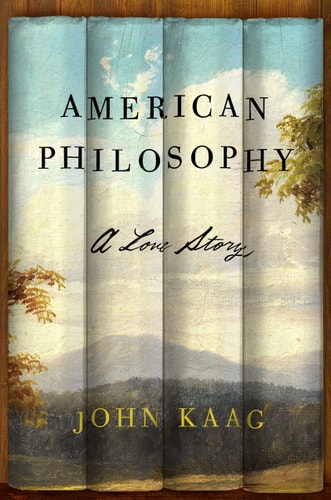
American Philosophy: A Love Story
0
0
As an Amazon Associate and affiliate partner, Menrva Books earns from qualifying purchases. Learn more
Author Description
The epic wisdom contained in a lost library helps the author turn his life around John Kaag is a dispirited young philosopher at sea in his marriage and his career when he stumbles upon West Wind, a ruin of an estate in the hinterlands of New Hampshire that belonged to the eminent Harvard philosopher William Ernest Hocking. Hocking was one of the last true giants of American philosophy and a direct intellectual descendent of William James, the father of American philosophy and psychology, with whom Kaag feels a deep kinship. It is James’s question “Is life worth living?” that guides this remarkable book. The books Kaag discovers in the Hocking library are crawling with insects and full of mold. But he resolves to restore them, as he immediately recognizes their importance. Not only does the library at West Wind contain handwritten notes from Whitman and inscriptions from Frost, but there are startlingly rare first editions of Hobbes, Descartes, and Kant. As Kaag begins to catalog and read through these priceless volumes, he embarks on a thrilling journey that leads him to the life-affirming tenets of American philosophy—self-reliance, pragmatism, and transcendence—and to a brilliant young Kantian who joins him in the restoration of the Hocking books. Part intellectual history, part memoir, American Philosophy is ultimately about love, freedom, and the role that wisdom can play in turning one’s life around.
Menrva's Summary
THE THESIS
A dispirited philosopher finds profound wisdom and personal renewal through the restoration of a forgotten philosophical library. John Kaag, struggling with his marriage and career, discovers a dilapidated estate in New Hampshire that houses the extensive library of the eminent Harvard philosopher William Ernest Hocking. Guided by the central question of William James, 'Is life worth living?', Kaag dedicates himself to cataloging and restoring the mold-ridden volumes, which contain rare first editions and personal notes from literary and philosophical giants. This endeavor leads him to embrace the core tenets of American philosophy—self-reliance, pragmatism, and transcendence—and to a new intellectual partnership.
THE SCOPE MAP
- The intellectual legacy of William Ernest Hocking, a key figure in American philosophy.
- Exploration of the philosophical lineage from William James to Hocking and Kaag.
- Insights into the core tenets of American philosophy: self-reliance, pragmatism, and transcendence.
- The personal journey of the author as he navigates life challenges through philosophical study.
- Discovery of rare books and personal annotations from historical figures like Whitman, Hobbes, Descartes, and Kant.
- The role of intellectual restoration and the preservation of knowledge.
- A blend of memoir and intellectual history, exploring themes of love, freedom, and wisdom.
THE AUTHORITY PERSPECTIVE
This book is likely to appeal to readers interested in the intersection of personal narrative and philosophical inquiry, particularly within the American tradition. The premise suggests a thoughtful exploration of how historical wisdom can inform contemporary life, framed through the author's personal journey of rediscovery. The inclusion of rare texts and annotations points to a rich intellectual landscape that scholars and general readers alike might find engaging. The narrative structure, combining memoir with intellectual history, promises a multifaceted reading experience that delves into both the personal and the academic.
Page Count:
272
Publication Date:
2017-10-03
Publisher:
Farrar, Straus and Giroux
ISBN-10:
0374537208
ISBN-13:
9780374537203
Non-Fiction
Memoir
Philosophy
Biography
Intellectual History