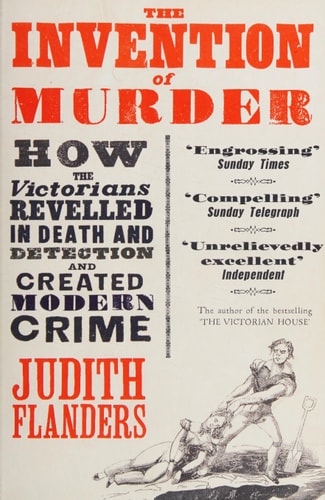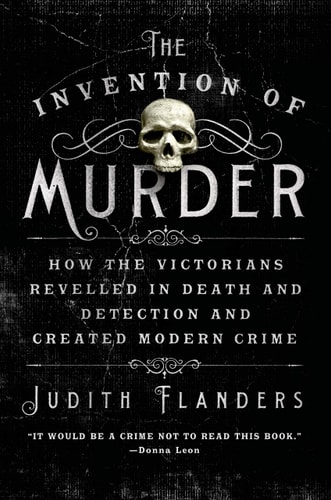
The Invention of Murder: How the Victorians Revelled in Death and Detection and Created Modern Crime
0
0
As an Amazon Associate and affiliate partner, Menrva Books earns from qualifying purchases. Learn more
Author Description
THE NEW YORK TIMES BESTSELLER "Wonderful... [Flanders] shines in her readings of literary novels containing criminal and detective elements, such as Oliver Twist, Mary Barton and Tess of the D'Urbervilles, but can be sharp and very funny about the vagaries of melodramatic and sensational plotting." –Wall Street Journal In this fascinating exploration of murder in the nineteenth century, Judith Flanders examines some of the most gripping cases that captivated the Victorians and gave rise to the first detective fiction Murder in Britain in the nineteenth century was rare. But murder as sensation and entertainment became ubiquitous, transformed into novels, into broadsides and ballads, into theatre and melodrama and opera—even into puppet shows and performing dog-acts. Detective fiction and England's new police force developed in parallel, each imitating the other—the pioneers of Scotland Yard gave rise to Dickens's Inspector Bucket, the first fictional police detective, who in turn influenced Sherlock Holmes and, ultimately, even P.D. James and Patricia Cornwell. In this fascinating book, Judith Flanders retells the gruesome stories of many different types of murder—both famous and obscure—from the crimes (and myths) of Sweeney Todd and Jack the Ripper to the tragedies of the murdered Marr family in London's East End; Burke and Hare and their bodysnatching business in Edinburgh; and Greenacre, who transported his dismembered fiancée around town by omnibus. With an irresistible cast of swindlers, forgers, and poisoners, the mad, the bad and the dangerous to know, The Invention of Murder is both a gripping tale of crime and punishment, and history at its most readable.
Menrva's Summary
THE THESIS
The Victorians transformed murder from a rare occurrence into a pervasive form of entertainment and a catalyst for the development of modern crime detection. Judith Flanders explores how the 19th century, despite having relatively low murder rates, became obsessed with crime as spectacle. This fascination fueled the rise of detective fiction, with Scotland Yard's early detectives influencing literary characters like Dickens's Inspector Bucket, who in turn shaped figures such as Sherlock Holmes. The book examines both notorious and obscure cases, from Sweeney Todd and Jack the Ripper to the grisly deeds of Burke and Hare, showcasing the era's appetite for sensational stories and the parallel evolution of policing and fictional crime-solving.
THE SCOPE MAP
- Analysis of how murder became a popular form of entertainment in Victorian Britain through novels, ballads, theatre, and even puppet shows.
- Exploration of the parallel development of detective fiction and the establishment of England's new police force, Scotland Yard.
- Detailed retellings of famous and obscure murder cases, including Sweeney Todd, Jack the Ripper, Burke and Hare, and Greenacre.
- Examination of the literary impact of crime on Victorian novels such as 'Oliver Twist', 'Mary Barton', and 'Tess of the D'Urbervilles'.
- Discussion of the influence of early fictional detectives like Inspector Bucket on later characters such as Sherlock Holmes.
- Introduction to a cast of characters including swindlers, forgers, poisoners, and other dangerous individuals from the era.
- Historical context on the societal fascination with crime, punishment, and the sensational aspects of murder.
THE AUTHORITY PERSPECTIVE
The book is recognized as a New York Times bestseller and praised for its engaging narrative and insightful analysis. Critics highlight Flanders's ability to illuminate the Victorian fascination with murder as both a historical phenomenon and a literary influence. The work is lauded for its sharp observations on sensational plotting and its detailed examination of criminal cases and their cultural impact. It is considered a highly readable historical account that effectively blends true crime with literary criticism.
Page Count:
576
Publication Date:
2014-07-15
Publisher:
St. Martin's Press
ISBN-10:
1250048532
ISBN-13:
9781250048530
Non-Fiction
History
True Crime
Literary Criticism