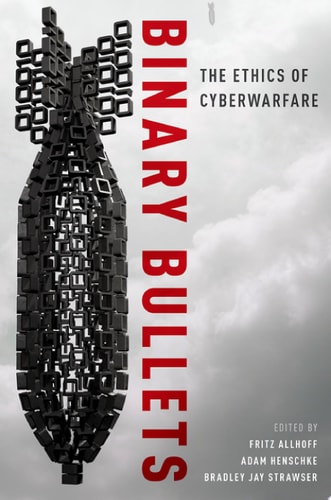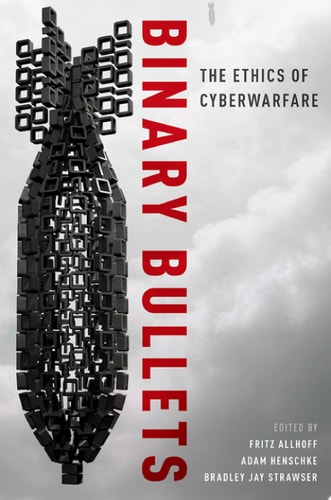
Binary Bullets: The Ethics of Cyberwarfare
0
0
As an Amazon Associate and affiliate partner, Menrva Books earns from qualifying purchases. Learn more
Author Description
Philosophical and ethical discussions of warfare are often tied to emerging technologies and techniques. Today we are presented with what many believe is a radical shift in the nature of war-the realization of conflict in the cyber-realm, the so-called "fifth domain" of warfare. Does an aggressive act in the cyber-realm constitute an act of war? If so, what rules should govern such warfare? Are the standard theories of just war capable of analyzing and assessing this mode of conflict? These changing circumstances present us with a series of questions demanding serious attention. Is there such a thing as cyberwarfare? How do the existing rules of engagement and theories from the just war tradition apply to cyberwarfare? How should we assess a cyber-attack conducted by a state agency against private enterprise and vice versa? Furthermore, how should actors behave in the cyber-realm? Are there ethical norms that can be applied to the cyber-realm? Are the classic just war constraints of non-combatant immunity and proportionality possible in this realm? Especially given the idea that events that are constrained within the cyber-realm do not directly physically harm anyone, what do traditional ethics of war conventions say about this new space? These questions strike at the very center of contemporary intellectual discussion over the ethics of war.In twelve original essays, plus a foreword from John Arquilla and an introduction, Binary Bullets: The Ethics of Cyberwarfare, engages these questions head on with contributions from the top scholars working in this field today.
Menrva's Summary
THE THESIS
This collection investigates whether traditional just war theory remains applicable to the emerging domain of cyberwarfare. Edited by Fritz Allhoff, the text compiles twelve original essays from leading scholars to examine the moral, legal, and strategic implications of state and non-state actors operating within the digital realm. The contributors utilize established ethical frameworks to determine if cyber-attacks meet the criteria for acts of war and how international norms should evolve to address these non-kinetic threats.
THE SCOPE MAP
What You Will Find
- Analysis of the fifth domain of warfare
- Application of just war theory to digital conflict
- Ethical frameworks for state-sponsored and private sector cyber-attacks
- Discussions on non-combatant immunity and proportionality in virtual spaces
Scope Limits
- Technical specifications of specific malware or cyber-weapons
- Historical accounts of past cyber-attacks
- Legal precedents in international court rulings
THE AUTHORITY PERSPECTIVE
Experts recognize this volume as a significant contribution to the intersection of ethics and emerging technology. Readers frequently note the academic density of the prose, which serves as a foundational resource for scholars and policy analysts navigating the moral complexities of modern digital conflict.
Page Count:
318
Publication Date:
2016-02-18
Publisher:
Oxford University Press
ISBN-10:
0190221089
ISBN-13:
9780190221089
Philosophy
Ethics
Cyberwarfare
Military Strategy
Technology
Community Tags
Similar Books