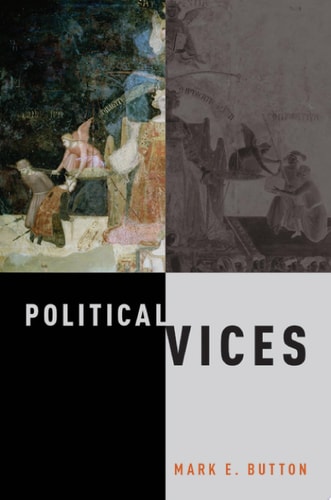
Political Vices
0
0
As an Amazon Associate and affiliate partner, Menrva Books earns from qualifying purchases. Learn more
Author Description
Historically speaking, our vices, like our virtues, have come in two basic forms: intellectual and moral. One of the main purposes of this book is to analyze a set of specifically political vices that have not been given sufficient attention within political theory but that nonetheless pose enduring challenges to the sustainability of free and equitable political relationships of various kinds. Political vices like hubris, willful blindness, and recalcitrance are persistent dispositions of character and conduct that imperil both the functioning of democratic institutions and the trust that a diverse citizenry has in the ability of those institutions to secure a just political order of equal moral standing, reciprocal freedom, and human dignity. Political vices embody a repudiation of the reciprocal conditions of politics and, as a consequence of this, they represent a standing challenge to the principles and values of the mixed political regime we call liberal-democracy. Mark Button shows how political vices not only carry out discrete forms of injustice but also facilitate the habituation in and indifference toward systemic forms of social and political injustice. They do so through excesses and deficiencies in human sensory and communicative capacities relating to voice (hubris), vision (moral blindness), and listening (recalcitrance). Drawing on a wide range of intellectual resources, including ancient Greek tragedy, social psychology, moral epistemology, and democratic theory, Political Vices gives new consideration to a list of "deadly vices" that contemporary political societies can neither ignore as a matter of personal "sin" nor publicly disregard as a matter of mere bad choice, and it provides a democratic account that outlines how citizens can best contend with our most troubling political vices without undermining core commitments to liberalism or pluralism.
Menrva's Summary
THE THESIS
How do specific character-based political vices undermine the stability and moral integrity of liberal-democratic institutions? Mark E. Button, a scholar of political theory, examines how persistent dispositions such as hubris, willful blindness, and recalcitrance function as systemic threats to democratic reciprocity. By integrating insights from ancient Greek tragedy, social psychology, and moral epistemology, the author argues that these vices are not merely personal failings but structural impediments to justice and human dignity that require a robust democratic response.
THE SCOPE MAP
What You Will Find
- A theoretical framework categorizing political vices based on sensory and communicative capacities.
- Analysis of hubris, willful blindness, and recalcitrance as barriers to democratic trust.
- Interdisciplinary synthesis of classical literature, moral philosophy, and contemporary democratic theory.
Scope Limits
- The text focuses primarily on the context of liberal-democratic regimes.
- It does not provide a comprehensive historical survey of all political vices throughout human history.
THE AUTHORITY PERSPECTIVE
Scholars and political theorists recognize this work as a significant contribution to the study of political character and its impact on institutional health. Readers frequently note the academic density of the prose and the author's success in bridging classical moral philosophy with modern democratic concerns.
Page Count:
240
Publication Date:
2016-01-04
Publisher:
Oxford University Press
ISBN-10:
0190274964
ISBN-13:
9780190274962
Philosophy
Ethics
Democracy
Political Theory
Community Tags
Similar Books