The Holy Madmen of Tibet
0
0
As an Amazon Associate and affiliate partner, Menrva Books earns from qualifying purchases. Learn more
Author Description
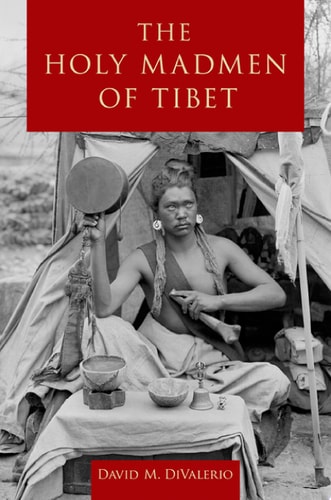
Throughout the past millennium, certain Tibetan Buddhist yogins have taken on profoundly norm-overturning modes of dress and behavior, including draping themselves in human remains, consuming filth, provoking others to violence, and even performing sacrilege. They became known far and wide as "madmen" (smyon pa, pronounced nyönpa), achieving a degree of saintliness in the process. This book offers the first comprehensive study of Tibet's "holy madmen" drawing on their biographies and writings, as well as tantric commentaries, later histories, oral traditions, and more.Much of The Holy Madmen of Tibet is dedicated to examining the lives and legacies of the three most famous "holy madmen" who were all of the Kagyü sect: the Madman of Tsang (author of The Life of Milarepa), the Madman of Ü, and Drukpa Künlé, Madman of the Drukpa Kagyü. Each born in the 1450s, they rose to prominence during a period of civil war and of great shifts in Tibet's religious culture. By focusing on literature written by and about the "holy madmen" and on the yogins' relationships with their public, this book offers in-depth looks at the narrative and social processes out of which sainthood arises, and at the role biographical literature can play in the formation of sectarian identities. By showing how understandings of the "madmen" have changed over time, this study allows for new insights into current notions of "crazy wisdom." In the end, the "holy madmen" are seen as self-aware and purposeful individuals who were anything but insane.
Menrva's Summary
THE THESIS
This book investigates the historical and cultural phenomenon of the 'holy madmen' (nyönpa) in Tibetan Buddhism, questioning how individuals who engaged in norm-overturning behavior were elevated to the status of saints. David M. DiValerio, a scholar of Tibetan religious history, utilizes a diverse array of primary sources including biographies, tantric commentaries, and oral traditions to analyze the lives of three prominent 15th-century figures. He argues that these yogins were not mentally ill, but rather self-aware practitioners whose unconventional actions served specific religious and social functions within the Kagyü sect during a period of intense civil and cultural upheaval.
THE SCOPE MAP
What You Will Find
- Detailed biographical analysis of the Madman of Tsang, the Madman of Ü, and Drukpa Künlé.
- Examination of the narrative construction of sainthood in Tibetan literature.
- Analysis of the role of 'crazy wisdom' in sectarian identity formation.
Scope Limits
- The study focuses primarily on figures from the Kagyü sect rather than a comprehensive survey of all Tibetan Buddhist traditions.
- The text does not provide a general history of Tibetan Buddhism, focusing instead on the specific sub-tradition of the nyönpa.
THE AUTHORITY PERSPECTIVE
Scholars and students of Asian religions recognize this work as a significant contribution to the understanding of Tibetan hagiography and the social construction of holiness. Readers frequently note the academic rigor of the text, which successfully bridges the gap between historical biography and religious theory.
Page Count:
368
Publication Date:
2015-01-01
Publisher:
Oxford University Press
ISBN-10:
0190273194
ISBN-13:
9780190273194
Biography
History
Religion
Tantric Buddhism
Yogis
Buddhism
Community Tags
Similar Books