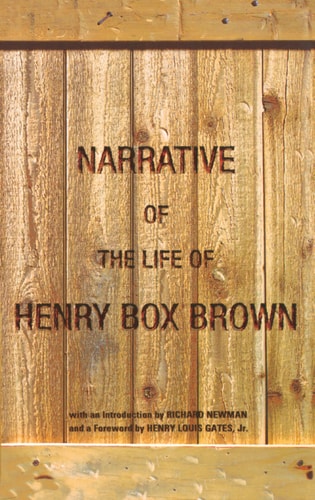
Narrative of the Life of Henry Box Brown
0
0
As an Amazon Associate and affiliate partner, Menrva Books earns from qualifying purchases. Learn more
Author Description
In 1849, Henry Brown escaped from slavery by shipping himself in a crate from Virginia to an anti-slavery office in Philadelphia. 27 hours and 350 miles later, Brown stepped out of his box to begin a new life. This is his memoir, originally published in 1851 in England, as fresh and compelling today as it was 150 years ago. This extraordinary narrative paints an indelible portrait of life in slavery, and describes one of the most audacious, creative escapes ever completed. With a keen sense of irony, Brown examines the "peculiar institution"--from the hypocrisy of slave-owning Christian preachers, to the system of bribery that forced slaves to purchase the rights to their own belongings, to the practice of separating slave families with no warning. Indeed, it was when his own wife and children were sold away that he became determined to escape, and he enlisted the aid of a friend, who nailed him into a three-foot-by-two-foot wooden box. He traveled by railroad car, steamboat and horse cart--often upside down, despite a "this side up" stamp--to the free state of Pennsylvania. His unprecedented manner of arrival made him a public sensation in the North, and a celebrity on the anti-slavery lecture circuit. With an introduction by Richard Newman and a foreword by Henry Louis Gates, Jr., The Narrative of the Life of Henry Box Brown conveys the unquenchable spirit of a hero who risked death rather than live a slave. A classic slave narrative, it makes unforgettable reading.
Menrva's Summary
THE THESIS
This memoir investigates the brutal realities of American chattel slavery and the extreme measures required to secure personal liberty. Henry Box Brown, an escaped slave, provides a firsthand account of his life in Virginia and his subsequent flight to freedom. He utilizes his personal history to critique the moral hypocrisy of slaveholders and the systemic dehumanization inherent in the institution of slavery.
THE SCOPE MAP
What You Will Find
- Detailed accounts of the domestic slave trade and the separation of families.
- A critique of the religious justifications used by slave owners.
- The logistical planning and execution of his escape via a wooden shipping crate.
Scope Limits
- The text focuses primarily on Brown's personal experiences and does not provide a comprehensive sociological study of the entire antebellum South.
THE AUTHORITY PERSPECTIVE
Historians and scholars categorize this work as a foundational slave narrative that offers critical insight into the abolitionist movement of the mid-19th century. Readers frequently note the stark, direct prose style that highlights the physical and psychological toll of enslavement.
Page Count:
112
Publication Date:
2003-01-01
Publisher:
Oxford University Press
ISBN-10:
0190287489
ISBN-13:
9780190287481
Autobiography
Biography
Memoir
History
African American
Abolitionists
English & College Success
English
African Americans
Biography Autobiography
United States
Ethnic Studies
Slavery
Community Tags
Other Editions(19)

Oxford University Press
2023
Default edition
Creative Media Partners, LLC
2022

Lulu Press, Incorporated
2022

Lulu.com
2022
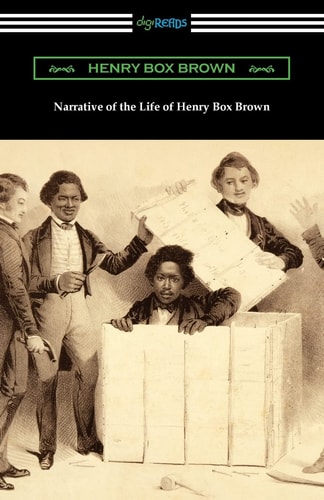
Digireads.com Publishing
2021

Digireads.com Publishing
2021

Independently published
2019

Creative Media Partners, LLC
2019

Creative Media Partners, LLC
2018

Creative Media Partners, LLC
2018

Franklin Classics
2018

Creative Media Partners, LLC
2017

Creative Media Partners, LLC
2015
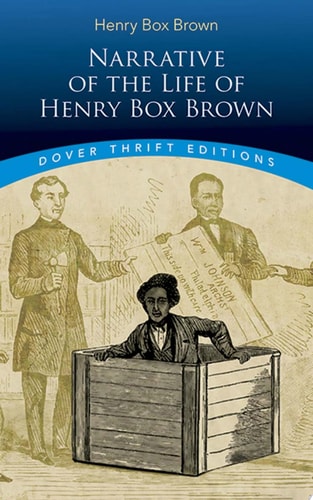
Courier Dover Publications
2015

Dover Publications
2015

BiblioLife
2008

Oxford University Press
2003
Oxford University Press
2003

BiblioBazaar
1900
Similar Books







Reader Comments
Share Your Thoughts
No comments yet. Be the first to share your thoughts!