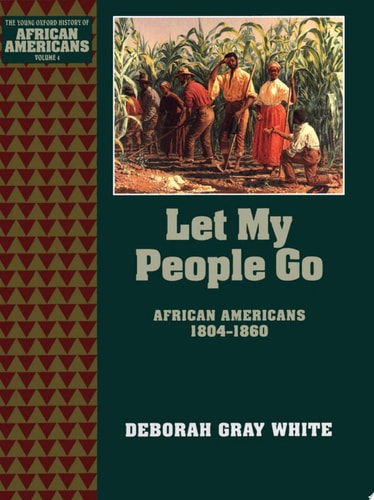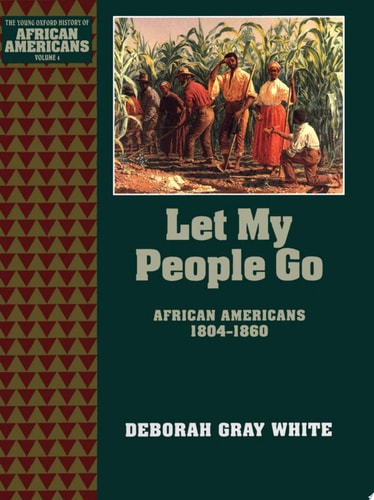
Let My People Go: African Americans 1804-1860
0
0
As an Amazon Associate and affiliate partner, Menrva Books earns from qualifying purchases. Learn more
Author Description
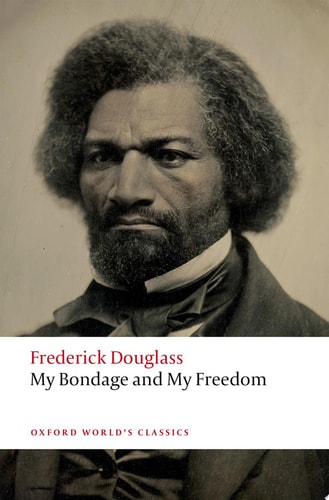
In 1800, black voices began to rise against slavery. People like Gabriel Prosser and Nat Turner, attempted to launch slave rebellions against the system. Others, such as Maria Stewart and Frederick Douglass wrote books, pamphlets, and speeches calling for the abolition of slavery in the "land of the free." The voices of abolitionists, both black and white, helped end slavery in the Northern states during the early 19th century. But Southern plantation owners were unwilling to yield easily. The industrial revolution made the market for cotton better than ever. Inventor Eli Whitney's cotton gin could easily remove the seeds from cotton bolls a slow and tedious chore slaves had to do by hand and plantation owners were able to grow even more cotton with fewer hands. They were not about to give up their slaves without a fight. So--African Americans struggled to be free and remain free as slaveholders fought to keep the system alive and profitable. Let My People Go explores what slavery was like for men, women, and children in white homes and plantations, but it also shows how slaves created communities under bondage, how they fought back, and how they contributed to the system's decline. Even in rare "free" communities, the central goal of free African Americans, beyond their very survival as a people, was to fight for the complete abolition of slavery. This sense of brotherhood, of community, speeded slavery's demise and still guides African American history today. Let My People Go is a testament to the commitment and courage of those early communities.
Menrva's Summary
THE THESIS
This book investigates the multifaceted struggle of African Americans to resist the institution of slavery and advocate for abolition between 1804 and 1860. Deborah Gray White, a historian specializing in the experiences of African American women and the history of slavery, utilizes primary source accounts and historical analysis to document the tension between the expansion of the cotton economy and the growing movement for human rights. The text argues that the formation of resilient slave communities and the vocal resistance of abolitionists were the primary drivers in the eventual destabilization of the slave system.
THE SCOPE MAP
What You Will Find
- Analysis of the economic impact of the cotton gin on plantation labor demands.
- Documentation of slave rebellions led by figures such as Gabriel Prosser and Nat Turner.
- Examination of the role of black abolitionists like Frederick Douglass and Maria Stewart.
- Overview of daily life, community building, and survival strategies for enslaved people.
Scope Limits
- The text focuses primarily on the American experience within the specified 1804-1860 timeframe.
- It does not provide an exhaustive military history of the Civil War, as the narrative concludes at the onset of the conflict.
THE AUTHORITY PERSPECTIVE
Historians and educators frequently cite this work as a clear and accessible resource for students seeking to understand the complexities of antebellum life. The text is recognized for its balanced approach in highlighting both the systemic oppression of the era and the agency of those who resisted it.
Page Count:
144
Publication Date:
1996-01-01
Publisher:
Oxford University Press
ISBN-10:
019028224X
ISBN-13:
9780190282240
History
19th Century
Slavery
African American
Abolitionism
Minority Studies
United States