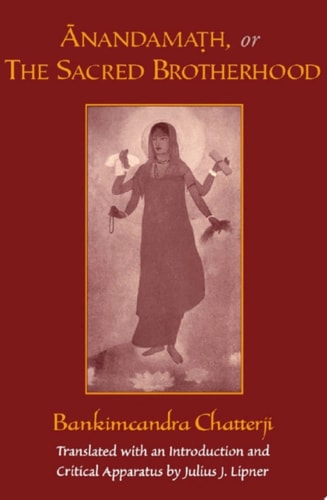
Anandamath: Or The Sacred Brotherhood
0
0
As an Amazon Associate and affiliate partner, Menrva Books earns from qualifying purchases. Learn more
Author Description
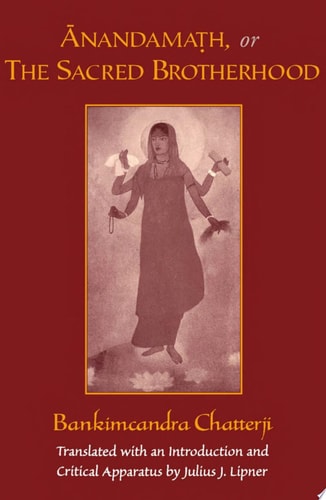
Winner of the A.K. Ramanujan Prize for Annotated TranslationThis is a translation of a historically important Bengali novel. Published in 1882, Chatterji's Anandamath helped create the atmosphere and the symbolism for the nationalist movement leading to Indian independence in 1947. It contains the famous hymn Vande Mataram ("I revere the Mother"), which has become India's official National Song. Set in Bengal at the time of the famine of 1770, the novel reflects tensions and oppositions within Indian culture between Hindus and Muslims, ruler and ruled, indigenous people and foreign overlords, jungle and town, Aryan and non-Aryan, celibacy and sexuality. It is both a political and a religious work. By recreating the past of Bengal, Chatterji hoped to create a new present that involved a new interpretation of the past. Julius Lipner not only provides the first complete and satisfactory English translation of this important work, but supplies an extensive Introduction contextualizing the novel and its cultural and political history. Also included are notes offering the Bengali or Sanskrit terms for certain words, as well as explanatory notes for the specialized lay reader or scholar.
Menrva's Summary
THE PULSE
Set against the backdrop of the devastating Bengal famine of 1770, the narrative follows a group of ascetics who organize a resistance movement against colonial rule. The protagonist, Mahendra, finds himself caught between his domestic obligations and the call to join the 'Children,' a band of monks dedicated to the liberation of their motherland. As the famine ravages the countryside, the characters must navigate the complex moral landscape of rebellion, religious duty, and political upheaval. The narrative framework utilizes a blend of historical realism and symbolic allegory to explore the struggle for national identity.
INSIDE THE PAGES
- Exploration of the Sannyasi Rebellion in 18th-century Bengal
- Integration of the Vande Mataram hymn as a central motif
- Examination of the tension between asceticism and worldly duty
- Portrayal of the conflict between indigenous populations and foreign colonial powers
- Use of symbolic landscapes representing the state of the nation
- Analysis of the dichotomy between rural traditions and urban colonial influence
- Philosophical inquiry into the nature of sacrifice for a greater cause
- Incorporation of Sanskrit and Bengali cultural terminology
THE COLLECTIVE ECHO
Discussion often centers on the novel's profound impact on the Indian nationalist movement and its role in shaping modern political symbolism. Readers frequently highlight the intensity of the prose and the author's ability to weave religious fervor into a narrative of political resistance. Critics often examine the complex portrayal of cultural tensions, noting how the text reflects the specific anxieties of 19th-century Bengal. The work is widely regarded as a foundational text for understanding the intersection of literature and anti-colonial sentiment in India. Readers appreciate the scholarly annotations that provide necessary context for the historical and cultural references embedded within the story.
Page Count:
328
Publication Date:
2005-01-01
Publisher:
Oxford University Press
ISBN-10:
0190292407
ISBN-13:
9780190292409
Religion
Historical Fiction
classic
Indian
Nationalist Literature
Authors Indic
Political fiction