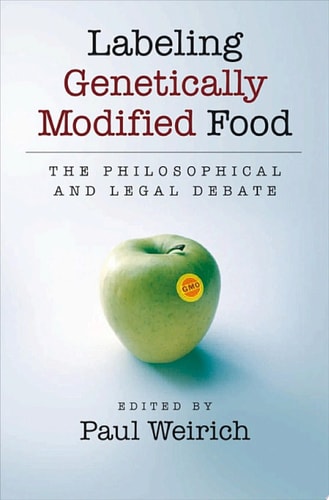
Labeling Genetically Modified Food: The Philosophical and Legal Debate
0
0
As an Amazon Associate and affiliate partner, Menrva Books earns from qualifying purchases. Learn more
Author Description
Food products with genetically modified (GM) ingredients are common, yet many consumers are unaware of this. When polled, consumers say that they want to know whether their food contains GM ingredients, just as many want to know whether their food is natural or organic. Informing consumers is a major motivation for labeling. But labeling need not be mandatory. Consumers who want GM-free products will pay a premium to support voluntary labeling.Why do consumers want to know about GM ingredients? GM foods are tested to ensure safety and have been on the market for more than a decade. Still, many consumers, including some with food allergies, want to be cautious. Also, GM crops may affect neighboring plants through pollen drift. Despite tests for environmental impact, some consumers may worry that GM crops will adversely effect the environment. The study of risk and its management raises questions not settled by the life sciences alone.This book surveys various labeling policies and the cases for them. It is the first comprehensive, interdisciplinary treatment of the debate about labeling genetically modified food. The contributors include philosophers, bioethicists, food and agricultural scientists, attorneys/legal scholars, and economists.
Menrva's Summary
THE THESIS
This book investigates the ethical, legal, and scientific justifications for mandatory versus voluntary labeling of genetically modified food products. Author Paul Weirich compiles an interdisciplinary analysis involving philosophers, bioethicists, scientists, and legal experts to examine why consumers demand transparency regarding GM ingredients. The text evaluates the intersection of consumer rights, risk management, and environmental concerns, providing a framework for understanding the complexities of food regulation beyond simple safety testing.
THE SCOPE MAP
What You Will Find
- Comparative analysis of mandatory versus voluntary labeling policies
- Ethical arguments regarding consumer autonomy and the right to know
- Economic implications of labeling for producers and consumers
- Legal frameworks governing food safety and information disclosure
Scope Limits
- Does not provide a definitive scientific verdict on the long-term safety of GM crops
- Does not focus on the technical biological mechanics of genetic modification
THE AUTHORITY PERSPECTIVE
Experts recognize this work as a foundational interdisciplinary resource for understanding the multifaceted debate surrounding GM food labeling. Readers frequently note the academic density of the prose, which effectively bridges the gap between philosophical inquiry and practical policy application.
Page Count:
264
Publication Date:
2007-01-01
Publisher:
Oxford University Press
ISBN-10:
0190296194
ISBN-13:
9780190296193
Philosophy
Non-Fiction
Food Science
Food Policy
Food Labeling
Bioethics
General Health
Professional Career & Trade
Law
Genetically modified organisms
Community Tags
Other Editions(2)

Similar Books