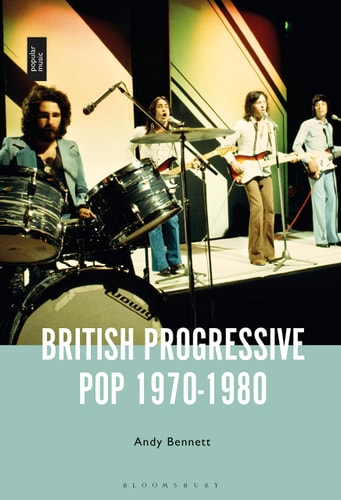
British Progressive Pop 1970-1980
0
0
As an Amazon Associate and affiliate partner, Menrva Books earns from qualifying purchases. Learn more
Author Description
Positioned between the psychedelic and counter-cultural music of the late 1960s and the punk and new wave styles of the late 1970s, early 1970s British popular music is often overlooked in pop music studies of the late 20th century, but it was, in fact, highly diverse with many artists displaying an eclecticism and flair for musical experimentation. 'Progressive pop' artists such as Roxy Music, David Bowie, the early Queen, the Electric Light Orchestra, 10cc and Steve Harley & Cockney Rebel successfully straddled the album and singles markets, producing music that often drew on a variety of different musical styles and traditions. Similarly, such artists often set new benchmarks for songwriting and production, utilizing the full potential of the rapidly expanding studio technology of the era to produce albums of highly diverse material featuring, in some cases, special studio-crafted effects and soundscapes that remain unique to this day. This book considers the significance of British progressive pop in the early 1970s as a period during which the boundaries between pop and rock were periodically relaxed, providing a platform for musical creativity less confined by genre and branding.
Menrva's Summary
THE THESIS
This book investigates the often-overlooked period of British popular music between 1970 and 1980, focusing on the diverse and experimental 'progressive pop' genre. It examines how artists like Roxy Music, David Bowie, and Queen successfully blended album and singles markets, drawing on various musical styles and traditions. The book highlights the era's innovative songwriting and production techniques, utilizing advanced studio technology to create unique soundscapes. Ultimately, it considers the significance of British progressive pop in blurring the lines between pop and rock, fostering a period of less genre-constrained musical creativity.
THE SCOPE MAP
- Analysis of the 'progressive pop' movement in British music from 1970-1980.
- Exploration of artists such as Roxy Music, David Bowie, early Queen, ELO, 10cc, and Steve Harley & Cockney Rebel.
- Discussion of the eclecticism and musical experimentation characteristic of the era.
- Examination of how artists straddled the album and singles markets.
- Focus on advancements in songwriting and studio production techniques.
- Consideration of the use of special studio-crafted effects and soundscapes.
- Analysis of the period as a time when boundaries between pop and rock were relaxed.
- Exploration of musical creativity less confined by genre and branding.
THE AUTHORITY PERSPECTIVE
The book positions British progressive pop of the early 1970s as a crucial, yet often overlooked, period of musical innovation. It highlights the genre's diversity and the experimental spirit of artists who successfully merged commercial appeal with artistic exploration. The analysis emphasizes the era's pioneering use of studio technology and its role in redefining the boundaries between pop and rock music. This work suggests that the period provided a fertile ground for creativity, less constrained by conventional genre definitions.
Page Count:
176
Publication Date:
2020-02-06
Publisher:
Bloomsbury Academic
ISBN-10:
1501336630
ISBN-13:
9781501336638
Non-Fiction
History
Rock music
Music History
Popular music
Community Tags
Similar Books