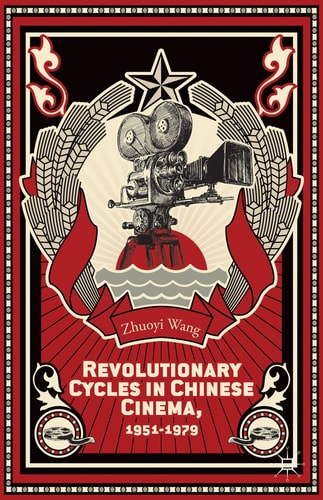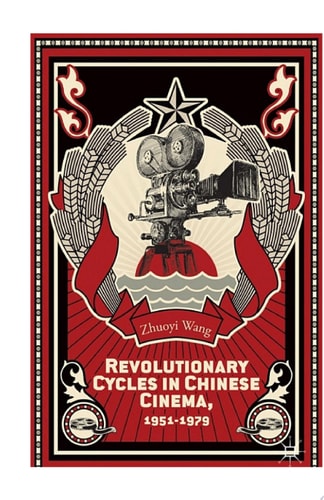
Revolutionary Cycles in Chinese Cinema, 1951–1979
0
0
As an Amazon Associate and affiliate partner, Menrva Books earns from qualifying purchases. Learn more
Author Description
A comprehensive history of how the conflicts and balances of power in the Maoist revolutionary campaigns from 1951 to 1979 complicated and diversified the meanings of films, this book offers a discursive study of the development of early PRC cinema.
Menrva's Summary
THE THESIS
This book investigates how the political upheavals of the Maoist era shaped early Chinese cinema. It offers a discursive study of the development of cinema in the People's Republic of China from 1951 to 1979, examining how revolutionary campaigns complicated and diversified the meanings of films. The author, Z. Wang, draws on extensive historical research to analyze the intricate relationship between state power, ideology, and artistic production during this transformative period. The book explores the ways in which filmmakers navigated the demands of the state while attempting to create meaningful cinematic works.
THE SCOPE MAP
- A detailed historical account of Chinese cinema from 1951 to 1979.
- Analysis of the impact of Maoist revolutionary campaigns on film production and meaning.
- Discursive study of the development of early PRC cinema.
- Exploration of the conflicts and balances of power influencing artistic expression.
- Examination of how filmmakers negotiated state ideology and creative output.
THE AUTHORITY PERSPECTIVE
The book is regarded as a significant contribution to the study of early Chinese cinema, offering a nuanced perspective on the interplay between politics and art. Scholars have noted its comprehensive historical scope and detailed analysis of the ideological pressures faced by filmmakers during the Maoist era. The work is recognized for its thorough examination of how revolutionary campaigns influenced the content and interpretation of films, providing valuable insights for understanding the cultural landscape of the People's Republic of China.
Page Count:
274
Publication Date:
2014-07-17
Publisher:
Springer Nature
ISBN-10:
1137378743
ISBN-13:
9781137378743
History
Non-Fiction
Chinese History
Cultural History
Political History
Film Studies