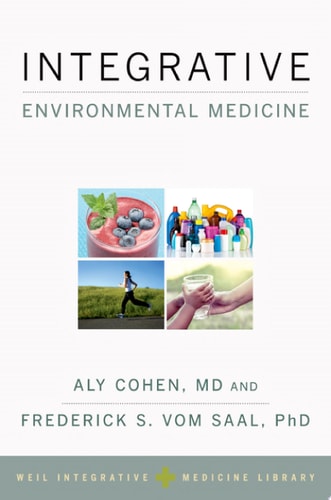
Integrative Environmental Medicine
0
0
As an Amazon Associate and affiliate partner, Menrva Books earns from qualifying purchases. Learn more
Author Description
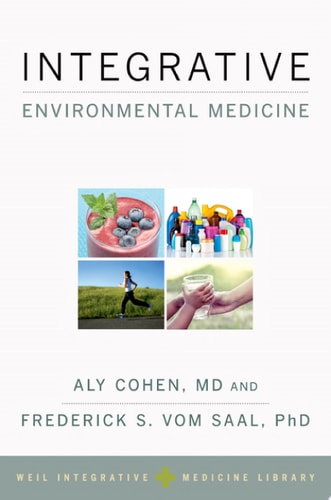
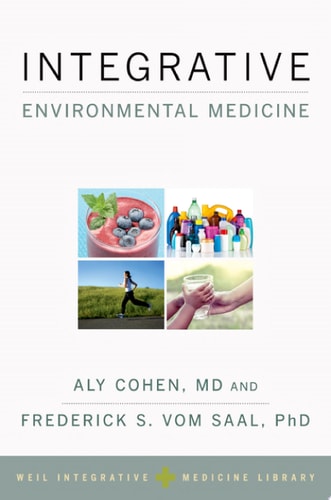
At no other time in human existence have there been so many environmental changes. Over 87,000 chemicals are now commercially available in the U.S., almost all of which have not been tested for safety, particularly in young children and the growing fetus. The number and quantity of chemicals has continued to increase since World War II--and so too has the incidence of many chronic health problems, such as Type 2 Diabetes, obesity, thyroid disease, asthma, allergy, autoimmune disease, autism, ADHD, and several cancers. Many studies have revealed that exposure to chemicals and radiation in our everyday environment may increase risk for these conditions.Integrative Environmental Medicine examines the history and changing landscape of our environment in the U.S. and shares up-to-date research and information on ways to reduce exposures and reduce health risks. This text explores the unique properties of many chemicals and their ability to deceive the human body's normal workings, affecting everything from thyroid and autoimmune disease risk, to cancer development, to developmental issues in children, and even the development of diabetes and weight gain through gut bacteria manipulation. We discuss topics of improving regulations and appropriate testing for chemicals, remediation of environmental catastrophes, and designing healthier products for the future. Finally, we discuss best practices for clinicians to ascertain exposure history and teach patients how to avoid harmful exposures and help their bodies eliminate contaminates through better dietary and lifestyle practices.Throughout this book, we share vetted, practical resources and tools--including websites, phone apps, physician and patient hand-outs--to help healthcare practitioners facilitate healthier choices for themselves and their patients.This text is unique in that it offers tangible, practical information that can easily be integrated into the daily work flow of patient clinical care.
Menrva's Summary
THE THESIS
This text investigates the correlation between the proliferation of synthetic chemicals in the modern environment and the rising incidence of chronic health conditions. Dr. Andrew T. Weil, a prominent figure in integrative medicine, synthesizes current toxicological research and clinical data to argue that environmental exposures are significant contributors to diseases such as diabetes, autoimmune disorders, and developmental issues. The book provides a framework for clinicians to identify patient exposure risks and implement mitigation strategies through lifestyle and dietary interventions.
THE SCOPE MAP
What You Will Find
- Analysis of chemical exposure pathways and their physiological impacts on endocrine and metabolic systems.
- Clinical protocols for assessing patient exposure histories in a standard office workflow.
- Practical resources including patient handouts, digital tools, and remediation strategies for reducing environmental toxins.
Scope Limits
- The text does not provide exhaustive coverage of every individual chemical compound currently in commercial use.
- It does not offer a comprehensive legal guide to environmental policy reform beyond general advocacy for improved regulation.
THE AUTHORITY PERSPECTIVE
Clinicians and medical professionals frequently cite this work as a practical bridge between environmental science and daily patient care. Experts highlight the book's utility in providing actionable, evidence-based tools that allow practitioners to address environmental factors within a standard clinical setting.
Page Count:
416
Publication Date:
2017-03-10
Publisher:
Oxford University Press
ISBN-10:
0190490918
ISBN-13:
9780190490911
Public Health
Medical
Medicine
Toxicology
Environmental Health
Community Tags
Similar Books