Tragedy on the Comic Stage
0
0
As an Amazon Associate and affiliate partner, Menrva Books earns from qualifying purchases. Learn more
Author Description
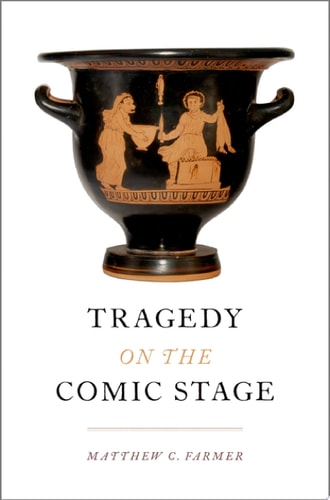
Aristophanes' engagement with tragedy is one of the most striking features of his comedies: Euripides appears repeatedly as a character in these plays, jokes about tragedy and tragic poets abound, and parodies of tragedy frequently underlie whole scenes and even the plots of these plays. Tragedy on the Comic Stage contextualizes this engagement with tragedy within Greek comedy as a genre by examining paratragedy in the fragments of Aristophanes' contemporaries and successors in the fifth and fourth centuries. Farmer organizes these fragments under two rubrics. First, he discusses fragments that show characters discussing tragedy, use tragic poets as characters, or make reference to the dramatic festivals; these fragments, Farmer argues, develop a "culture of tragedy" within Greek comedy, a consistent set of tropes and devices that depict tragedy as part of the world inhabited by the characters of these plays. Second, he assembles fragments that show tragic parody, imitations of tragedy that render tragic language humorous or ironic by juxtaposing it with the base characters and quotidian circumstances that make up Greek comedy. Tragedy on the Comic Stage then illustrates these features of fragmentary paratragedy within three intact Aristophanic comedies: Wasps, Women at the Thesmophoria, and Wealth. These new readings of Aristophanes' plays show the value of reading Aristophanes in conjunction with the comic fragments, and insist on the subtlety and complexity of Aristophanic paratragedy.
Menrva's Summary
THE THESIS
This work investigates how the integration of tragic elements, known as paratragedy, functioned as a foundational aesthetic and thematic device within ancient Greek comedy. Matthew C. Farmer, a scholar of classical literature, utilizes a comprehensive analysis of extant fragments from Aristophanes' contemporaries and successors to map the evolution of this practice. He argues that Greek comedy constructed a "culture of tragedy" that allowed playwrights to manipulate tragic tropes for both meta-theatrical commentary and humorous juxtaposition against the mundane realities of the comic stage.
THE SCOPE MAP
What You Will Find
- Analysis of fragmentary evidence from fifth and fourth-century Greek comic poets.
- A two-part thematic framework categorizing references to tragic culture and direct parodic imitation.
- Detailed case studies of Aristophanes' plays: Wasps, Women at the Thesmophoria, and Wealth.
Scope Limits
- The study focuses primarily on the interaction between comedy and tragedy rather than a comprehensive history of Greek theater.
- It does not provide a complete survey of all extant Greek comedy, concentrating instead on texts relevant to the paratragedy thesis.
THE AUTHORITY PERSPECTIVE
Scholars recognize this text as a significant contribution to the study of Aristophanic technique and the broader context of ancient performance. Experts frequently highlight the book's methodological rigor in bridging the gap between fragmentary comic texts and the well-preserved plays of Aristophanes.
Page Count:
282
Publication Date:
2016-12-01
Publisher:
Oxford University Press
ISBN-10:
0190492074
ISBN-13:
9780190492076
Drama
History
Greek drama
Literary Criticism
Aristophanes
Community Tags
Other Editions(3)

Similar Books