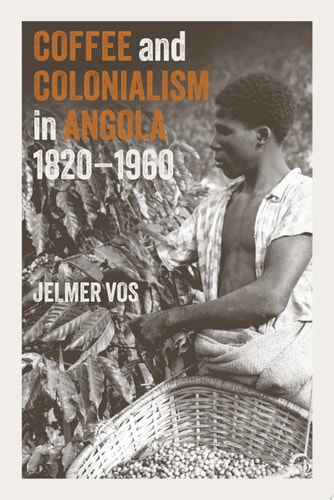
Coffee and Colonialism in Angola, 1820-1960
0
0
As an Amazon Associate and affiliate partner, Menrva Books earns from qualifying purchases. Learn more
Author Description
New perspective on Angolan, colonial and labour history, which explores how cultivation of coffee, the country's most significant export, shaped one of the oldest commercial frontiers in sub-Saharan Africa. After the Second World War, Angola became one of the world's largest coffee producers, supplying robusta beans that formed the backbone of popular blends and soluble products consumed by millions worldwide. But each cup of coffee made with Angolan robustas carried with it a legacy of land expropriation and coerced labour. Coffee and Colonialism delves into the systematic exploitation of black workers on white settler plantations in Angola, where labour practices often evoked memories of slavery. This book traces the origins of Angola's coffee trade to the early nineteenth century, examining how the abolition of the Atlantic slave trade gave rise to a new export-driven economy. As global demand for coffee surged, Portuguese colonizers transformed a thriving peasant economy into a settler-dominated system that, while highly productive, was profoundly exploitative and inefficient. Drawing upon extensive archival research, this work provides a compelling analysis of the intersections between colonialism, labour, property, and global trade, uncovering the political economy underpinning one of Africa's most enduring commodity frontiers.
Menrva's Summary
THE THESIS
This book investigates the profound impact of coffee cultivation on Angolan and colonial history from 1820 to 1960. It explores how the rise of coffee as Angola's primary export shaped one of sub-Saharan Africa's oldest commercial frontiers, examining the systematic exploitation of black workers on white settler plantations. The work traces the origins of this trade from the abolition of the Atlantic slave trade, detailing the transformation of a peasant economy into a deeply exploitative, settler-dominated system driven by global demand.
THE SCOPE MAP
- The cultivation of coffee and its role as Angola's most significant export.
- The history of land expropriation and coerced labor practices on white settler plantations.
- The transformation of Angola's economy following the abolition of the Atlantic slave trade.
- The political economy underpinning one of Africa's most enduring commodity frontiers.
- Analysis of the intersections between colonialism, labor, property, and global trade.
- Extensive archival research into Angolan, colonial, and labor history.
THE AUTHORITY PERSPECTIVE
The book offers a new perspective on Angolan, colonial, and labor history, focusing on the cultivation of coffee and its impact on sub-Saharan Africa. It details the exploitation of black workers on white settler plantations, with labor practices reminiscent of slavery. The work traces the coffee trade's origins to the early 19th century, analyzing how global demand fueled a shift from a peasant economy to a profoundly exploitative settler-dominated system. Drawing on extensive archival research, it provides a compelling analysis of colonialism, labor, property, and global trade.
Page Count:
224
Publication Date:
2025-06-24
Publisher:
Boydell & Brewer
ISBN-10:
1847013562
ISBN-13:
9781847013569
Economics
Non-Fiction
History
African history
Labor history
Colonialism
Community Tags
Other Editions(2)
Similar Books