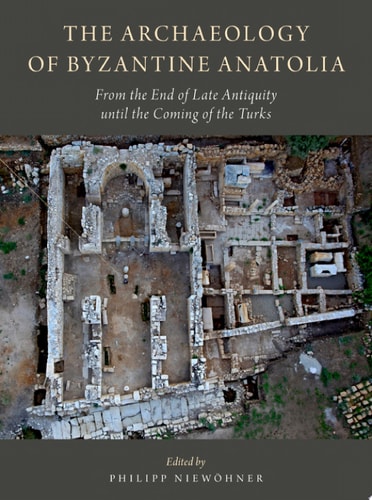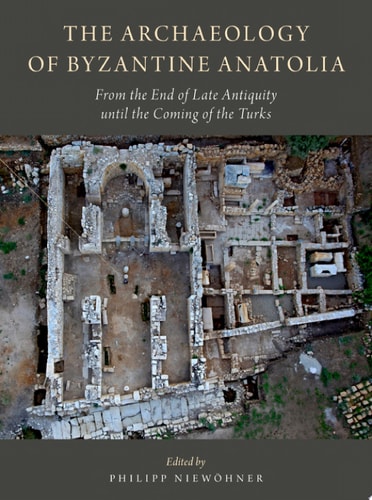
Archaeology of Byzantine Anatolia: From the End of Late Antiquity until the Coming of the Turks
0
0
As an Amazon Associate and affiliate partner, Menrva Books earns from qualifying purchases. Learn more
Author Description
This Book Accounts For The Tumultuous Period Of The Fifth To Eleventh Centuries From The Fall Of Rome And The Collapse Of The Western Roman Empire Through The Breakup Of The Eastern Roman Empire And Loss Of Pan-mediterranean Rule, Until The Turks Arrived And Seized Anatolia. The Volume Is Divided Into A Dozen Syntheses That Each Addresses An Issue Of Intrigue For The Archaeology Of Anatolia, And Two Dozen Case Studies On Single Sites That Exemplify Its Richness. Anatolia Was The Only Major Part Of The Roman Empire That Did Not Fall In Late Antiquity; It Remained Steadfast Under Roman Rule Through The Eleventh Century. Its Personal History Stands To Elucidate Both The Emphatic Impact Of Roman Administration In The Wake Of Pan-mediterranean Collapse. Thanks To Byzantine Archaeology, We Now Know That Urban Decline Did Not Set In Before The Fifth Century, After Anatolia Had Already Be Thoroughly Christianized In The Course Of The Fourth Century; We Know Now That Urban Decline, As It Occurred From The Fifth Century Onwards, Was Paired With Rural Prosperity, And An Increase In The Number, Size, And Quality Of Rural Settlements And In Rural Population; That This Ruralization Was Halted During The Seventh To Ninth Centuries, When Anatolia Was Invaded First By The Persians, And Then By The Arabs---and The Population Appears To Have Sought Shelter Behind New Urban Fortifications And In Large Cathedrals. Further, It Elucidates That Once The Arab Threat Had Ended In The Ninth Century, This Ruralization Set In Once More, And Most Cities Seem To Have Been Abandoned Or Reduced To Villages During The Ensuing Time Of Seeming Tranquility, Whilst The Countryside Experienced Renewed Prosperity; That This Trend Was Reversed Yet Again, When The Seljuk Turks Appeared On The Scene In The Eleventh Century, Devastated The Countryside And Led To A Revival And Refortification Of The Former Cities. This Dynamic Historical Thread, Traced Across Its Extremes Through The Lens Of Byzantine Archaeol
Menrva's Summary
THE THESIS
This volume investigates the socio-economic and urban transformations of Anatolia from the fifth to the eleventh centuries, questioning how the region maintained Roman administrative continuity despite broader Mediterranean collapse. Philipp Niewohner, a specialist in Byzantine archaeology, synthesizes extensive site data to argue that Anatolia experienced distinct cycles of ruralization and urbanization driven by external geopolitical pressures. By analyzing the interplay between urban fortification and rural prosperity, the author provides a framework for understanding the resilience of the Eastern Roman Empire during a period of significant regional instability.
THE SCOPE MAP
What You Will Find
- A comprehensive synthesis of archaeological evidence from the fifth to the eleventh centuries.
- Two dozen detailed case studies focusing on individual sites across Anatolia.
- Analysis of the impact of Persian and Arab invasions on settlement patterns.
- Examination of the transition from Roman rule to the arrival of the Seljuk Turks.
Scope Limits
- The text focuses primarily on archaeological evidence rather than purely political or military history.
- The analysis is geographically constrained to the Anatolian peninsula.
THE AUTHORITY PERSPECTIVE
Experts recognize this volume as a significant contribution to the field of Byzantine archaeology, particularly for its nuanced interpretation of rural versus urban settlement trends. Readers frequently note the academic density of the prose, which serves as a rigorous resource for scholars and students of late antique and medieval history.
Page Count:
672
Publication Date:
2017-01-01
Publisher:
Oxford University Press, Incorporated
ISBN-10:
0190610476
ISBN-13:
9780190610470
History
Anatolia
Archaeology
Africa
Byzantine History
Late Antiquity
Community Tags
Similar Books