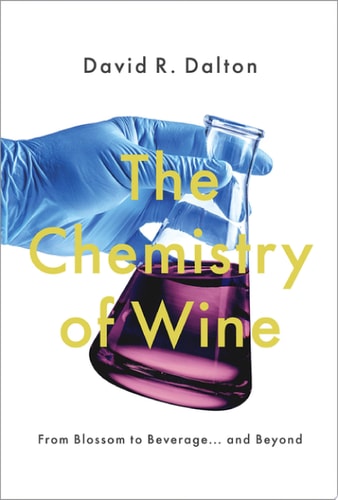
The Chemistry of Wine: From Blossom to Beverage and Beyond
0
0
As an Amazon Associate and affiliate partner, Menrva Books earns from qualifying purchases. Learn more
Author Description
Poets extol the burst of aroma when the bottle is opened, the wine poured, the flavor on the palate as it combines with the olfactory expression detected and the resulting glow realized. But what is the chemistry behind it? What are the compounds involved and how do they work their wonder? What do we know? Distinct and measurable differences in terroir, coupled with the plasticity of the grape berry genome and the metabolic products, as well as the work of the vintner, are critical to the production of the symphony of flavors found in the final bottled product. Analytical chemistry can inform us about the chemical differences and similarities in the grape berry constituents with which we start and what is happening to those and other constituents as the grape matures. The details of the grape and its treatment produce substantive detectable differences in each wine. While there are clear generalities - all wine is mostly water, ethanol is usually between 10% - 20% of the volume, etc - it is the details, shown to us by Analytical Chemistry and structural analysis accompanying it, that clearly allow one wine to be distinguished from another.
Menrva's Summary
THE THESIS
This text investigates the complex chemical processes that transform grape berries into wine, seeking to identify the specific compounds and metabolic pathways responsible for distinct flavor profiles. David R. Dalton, a chemist with extensive academic experience, utilizes principles of analytical chemistry and structural analysis to explain how terroir, genomic plasticity, and vintner intervention influence the final product. The book provides a rigorous framework for understanding the molecular composition of wine, moving beyond sensory descriptions to quantify the chemical reality of viticulture and fermentation.
THE SCOPE MAP
What You Will Find
- Analysis of grape berry genome plasticity and metabolic products
- Examination of the role of analytical chemistry in identifying wine constituents
- Discussion of the impact of terroir and vintner techniques on chemical composition
- Overview of fundamental wine components including water and ethanol concentrations
Scope Limits
- The text does not focus on wine history, cultural appreciation, or subjective tasting notes
- It does not provide a guide for amateur winemaking or commercial production techniques
THE AUTHORITY PERSPECTIVE
Readers frequently note the academic density of the prose, which assumes a foundational understanding of chemical principles. Experts highlight this as a technical resource for those seeking to bridge the gap between oenology and molecular science.
Page Count:
485
Publication Date:
2017-01-01
Publisher:
Oxford University Press
ISBN-10:
0190687215
ISBN-13:
9780190687212
Non-Fiction
Science
Earth Sciences
Professional Career & Trade
Viticulture
Oenology
Food Science
Chemistry
Agriculture
Community Tags
Similar Books