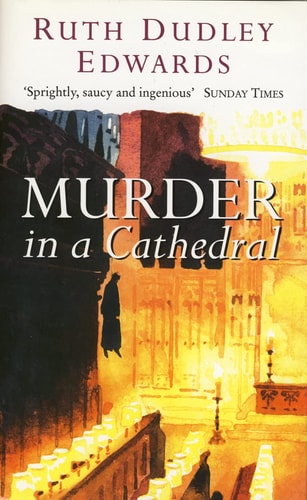
Murder in a Cathedral
0
0
As an Amazon Associate and affiliate partner, Menrva Books earns from qualifying purchases. Learn more
Author Description
For many years Westonbury Cathedral has been dominated by a clique of High Church gays, so when Norman Cooper, an austere, intolerant, happy-clappy evangelist, is appointed dean, there is shock, outrage and fear.David Elworthy, the gentle and politically innocent new bishop, is distraught at the prospect of warfare between the factions; contentious issues include the camp lady chapel and the gay memorial under construction in the deanery garden.Desperate for help, Elworthy cries on the shoulder of his old friend, the redoubtable Baroness Troutbeck, who forces her unofficial troubleshooter, Robert Amiss, to move into the bishop's palace.Amiss, Troutbeck and the cat Plutarch address themselves in their various ways to the bishop's problems, which very soon include a clerical corpse in the cathedral. Is it suicide? Or is it murder? And who is likely to be next?
Menrva's Summary
THE PULSE
When a divisive new dean is appointed to a cathedral already fractured by internal politics, the sudden appearance of a corpse forces an investigation into the institution's hidden animosities. Robert Amiss, an unofficial troubleshooter, is dispatched by the formidable Baroness Troutbeck to navigate the ecclesiastical minefield of the bishop's palace. He must contend with clashing religious factions, petty clerical rivalries, and the looming threat of further violence. The narrative unfolds through a sharp, observational lens that balances the gravity of a murder investigation with the absurdity of cathedral politics.
INSIDE THE PAGES
- Satirical portrayal of Anglican church politics and internal power struggles
- Inclusion of an eccentric, high-society investigator as a central figure
- Use of a classic 'locked-room' style mystery within a religious setting
- Integration of a feline character as a recurring, observational presence
- Focus on the clash between traditionalist and evangelical ideologies
- Pacing that emphasizes dialogue-driven character development over action
- Exploration of institutional corruption and social pretension
- Incorporation of dry, British wit to undercut the tension of the crime
THE COLLECTIVE ECHO
This work is widely regarded as a quintessential example of the clerical mystery subgenre, noted for its biting wit and astute social observation. Readers often highlight the author's ability to balance a genuine whodunit plot with a satirical look at the internal politics of the Church of England. The character of Baroness Troutbeck is frequently cited as a standout, providing a necessary anchor of authority amidst the chaos of the cathedral. The narrative style is consistently praised for its dry humor and the clever way it uses the cathedral setting to heighten the stakes of the investigation. The book maintains a reputation for being both a lighthearted read and a sharp critique of institutional rigidity.
Page Count:
224
Publication Date:
1996-01-01
Publisher:
HarperCollins
ISBN-10:
0002325977
ISBN-13:
9780002325974
Humor
Mystery
Crime
Satire
Cozy Mystery
Amiss robert fictitious character fiction
England
Clergy
Community Tags
Other Editions(3)

Similar Books