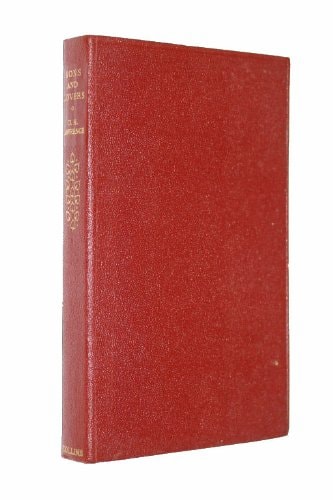
Sons and Lovers
0
0
As an Amazon Associate and affiliate partner, Menrva Books earns from qualifying purchases. Learn more
Author Description
Sons and Lovers, a story of working-class England, is D. H. Lawrence’s third novel. It went through various drafts, and was titled “Paul Morel” until the final draft, before being published and met with an indifferent reaction from contemporary critics. Modern critics now consider it to be D. H. Lawrence’s masterpiece, with the Modern Library placing it ninth in its “100 Best English-Language Novels of the 20th Century.” The novel follows the Morels, a family living in a coal town, and headed by a passionate but boorish miner. His wife, originally from a refined family, is dragged down by Morel’s classlessness, and finds her life’s joy in her children. As the children grow up and start leading lives of their own, they struggle against their mother’s emotional drain on them. Sons and Lovers was written during a period in Lawrence’s life when his own mother was gravely ill. Its exploration of the Oedipal instinct, frank depiction of working-class household unhappiness and violence, and accurate and colorful depiction of Nottinghamshire dialect, make it a fascinating window into the life of people not often chronicled in fiction of the day.
Menrva's Summary
THE PULSE
The central conflict arises from the suffocating emotional bond between a mother and her son, which prevents him from forming healthy romantic attachments to other women. Paul Morel, the protagonist, seeks to establish his own identity and independence while navigating the volatile environment of a coal-mining household. He faces the opposing forces of his mother’s intense, possessive love and his own burgeoning desire for autonomy. The narrative unfolds through a third-person perspective that provides intimate access to the psychological development of the characters within the rigid social constraints of early 20th-century England.
INSIDE THE PAGES
- Exploration of the Oedipal complex and its impact on familial dynamics
- Realistic portrayal of working-class life in a Nottinghamshire coal town
- Use of regional dialect to establish character authenticity
- Examination of the tension between intellectual aspiration and manual labor
- Depiction of domestic violence and marital discord
- Focus on the transition from childhood to adulthood
- Detailed character studies of the Morel family members
- Analysis of the psychological toll of emotional dependency
THE COLLECTIVE ECHO
Initial reception of the novel upon its publication was largely indifferent, as contemporary critics struggled with the frankness of Lawrence’s prose. Over time, the literary establishment has significantly re-evaluated the work, elevating it to a position of high regard within the canon of 20th-century English literature. Modern readers and scholars frequently highlight the novel's psychological depth and its unflinching look at the complexities of human intimacy. The work is now widely recognized for its significant contribution to the development of the psychological novel and its vivid, accurate depiction of a specific social class.
Page Count:
416
Publication Date:
1913-05-29
Publisher:
William Collins Pub
ISBN-10:
0004215729
ISBN-13:
9780004215723
Fiction
Family Saga
Genre Fiction
Realism
Classics
Psychological
Fiction
Schools & Teaching
Coming of Age
Literature & Fiction
British literature
Literary
Education Teaching
classic
Community Tags
Other Editions(18)
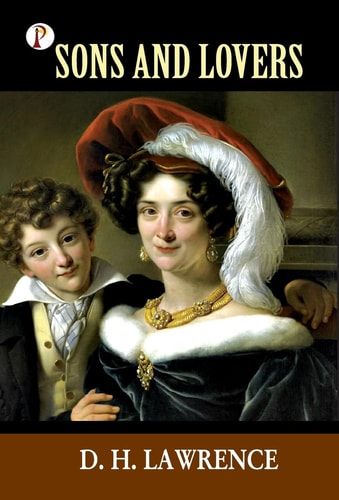
Repro India Limited
2023
Default edition
Independently Published
2021
Amazon Digital Services LLC - KDP Print US
2019

Independently Published
2019
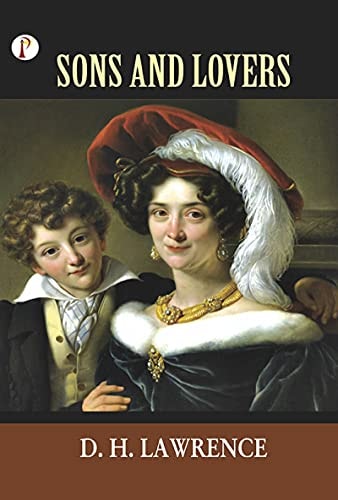
Pharos Books
2019
Independently Published
2018

Independently Published
2017
Naxos AudioBooks on Brilliance Audio
2016

University of Cambridge ESOL Examinations
2014
HarperCollins
2012
Penguin UK
2012
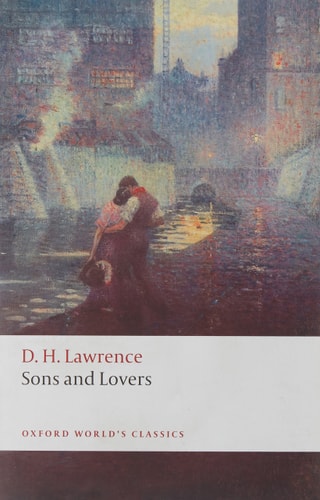
Oxford University Press
2009

eBooksLib
2009

ICON Classics
2005

NuVision Publications
2004
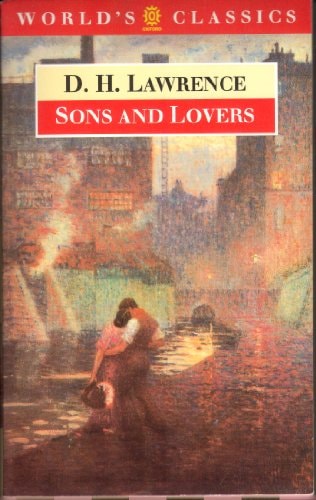
Oxford University Press
1995

University of Virginia Library
1992
William Collins Pub
1913
Similar Books





Reader Comments
Share Your Thoughts
No comments yet. Be the first to share your thoughts!