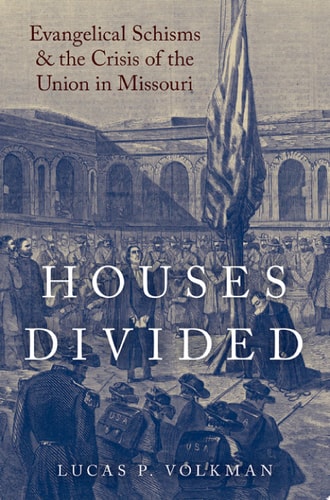
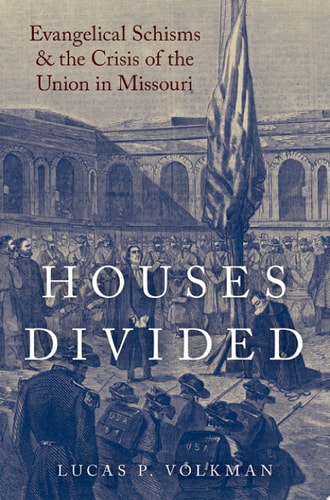
Houses Divided: Evangelical Schisms and the Crisis of the Union in Missouri
0
0
As an Amazon Associate and affiliate partner, Menrva Books earns from qualifying purchases. Learn more
Author Description
Houses Divided provides new insights into the significance of the nineteenth-century evangelical schisms that arose initially over the moral question of African American bondage. Volkman examines such fractures in the Baptist, Methodist, and Presbyterian churches of the slaveholding border state of Missouri. He maintains that congregational and local denominational ruptures before, during, and after the Civil War were central to the crisis of the Union in that state from 1837 to 1876. The schisms were interlinked religious, legal, constitutional, and political developments rife with implications for the transformation of evangelicalism and the United States from the late 1830s to the end of Reconstruction. The evangelical disruptions in Missouri were grounded in divergent moral and political understandings of slavery, abolitionism, secession, and disloyalty. Publicly articulated by factional litigation over church property and a combative evangelical print culture, the schisms were complicated by the race, class, and gender dynamics that marked the contending interests of white middle-class women and men, rural church-goers, and African American congregants. These ruptures forged antagonistic northern and southern evangelical worldviews that increased antebellum sectarian strife and violence, energized the notorious guerilla conflict that gripped Missouri through the Civil War, and fueled post-war vigilantism between opponents and proponents of emancipation. The schisms produced the interrelated religious, legal and constitutional controversies that shaped pro-and anti-slavery evangelical contention before 1861, wartime Radical rule, and the rise and fall of Reconstruction.
Menrva's Summary
THE THESIS
This book investigates how nineteenth-century evangelical schisms in Missouri served as a primary catalyst for the broader political and social crisis of the Union between 1837 and 1876. Lucas Volkman utilizes extensive archival research into Baptist, Methodist, and Presbyterian records to argue that religious fractures over slavery were not merely peripheral, but central to the state's wartime violence and post-war reconstruction. By analyzing the intersection of church litigation and political ideology, the author demonstrates how these denominational ruptures fundamentally reshaped the American evangelical landscape.
THE SCOPE MAP
What You Will Find
- Analysis of denominational fractures within Baptist, Methodist, and Presbyterian churches in Missouri.
- Examination of the role of church property litigation in shaping legal and constitutional debates.
- Investigation into the influence of evangelical print culture on antebellum sectarian strife.
- Exploration of how race, class, and gender dynamics influenced congregational loyalties.
Scope Limits
- The study is geographically confined to the state of Missouri.
- The analysis focuses primarily on evangelical denominations rather than the entirety of American religious life.
THE AUTHORITY PERSPECTIVE
Scholars recognize this work as a significant contribution to the study of religion and politics in the border states during the Civil War era. Readers frequently note the academic rigor and the detailed archival evidence used to connect local church disputes to national political crises.
Page Count:
328
Publication Date:
2018-01-01
Publisher:
Oxford University Press
ISBN-10:
0190865733
ISBN-13:
9780190865733
History
Religion
United States
Social History
Civil War
Missouri History
American History
Evangelicalism
Community Tags
Other Editions(2)
Similar Books