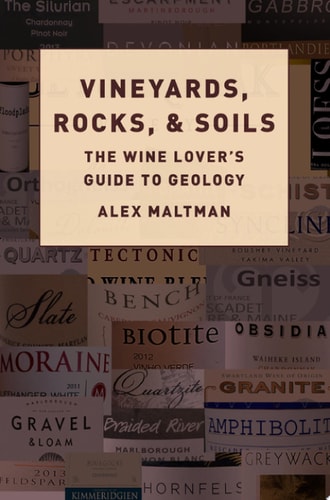
Vineyards, Rocks, and Soils: The Wine Lover's Guide to Geology
0
0
As an Amazon Associate and affiliate partner, Menrva Books earns from qualifying purchases. Learn more
Author Description
Jurassic, basalt, moraine, flint, alluvial, magma: what are these words and what do they have to do with wine? The answers are here in this book. They are geological terms that reflect a bond between wine and the land. Understanding geology, however, is tricky. Geological concepts are obscure; processes can be imperceptibly slow, invisible, and unimaginably ancient. The terminology is formidable, such that even the names of common rocks carry an air of mystery. Geology is introduced plainly, starting with basic principles, all in the context of wine. The emphasis is on the kinds of processes that shape vineyards, and on the minerals, rocks and soils that host the vines. Geological words now commonly seen in wine writings are systematically explained. You will learn the stories behind some of the names, the human face of geology. The book also explores how the geology-wine connection manifests in the finished product and evaluates its importance, particularly in the contexts of minerality, terroir, and wine taste. The fact is that geology is increasingly being promoted in the world of wine; the aim here is to help it be properly understood.
Menrva's Summary
THE THESIS
This book investigates the complex relationship between geological formations and the sensory characteristics of wine. Alex Maltman, a professor of earth sciences, utilizes his academic background to demystify the technical terminology often found in wine marketing. He argues that while geology is fundamental to viticulture, the connection between specific rock types and the final taste of wine requires a nuanced, evidence-based understanding rather than reliance on common industry myths.
THE SCOPE MAP
What You Will Find
- Explanations of geological terminology including basalt, moraine, and alluvial deposits.
- A framework for understanding how soil composition and mineral content influence vine health.
- Analysis of the concept of terroir and its scientific validity in modern winemaking.
Scope Limits
- The text does not provide a comprehensive guide to wine tasting or regional viticulture practices.
- It does not cover the chemical processes of fermentation or winemaking techniques beyond their geological context.
THE AUTHORITY PERSPECTIVE
Experts and wine professionals frequently cite this work as a necessary corrective to the often-vague geological claims found in wine literature. Readers note that while the prose is accessible, it maintains a high level of scientific rigor that serves as a foundational reference for those seeking to understand the physical reality of vineyard sites.
Page Count:
252
Publication Date:
2018-01-01
Publisher:
Oxford University Press
ISBN-10:
0190863307
ISBN-13:
9780190863302
Non-Fiction
Science
Horticulture
Wine
Terroir
Trades & Technology
Agriculture
Introduction to Horticulture
Geology
Soil Chemistry
Community Tags
Similar Books